Coastal Salt Air Damage AU
For a building report in Australia one might see ‘Coastal Salt Air Impact’ as a technicality but in reality it is a matter of practical concern. The wind off the coast and sea spray will put down a layer of salt on your structural steel, cladding, fixings, gutters, windows and roof. There it lingers with the moisture and hastens the process of corrosion. A spot of orange can be an expensive shock if not nipped in the bud with some timely repairs, the right materials and a good wash down.
I am Adelaide Crowe and I have been about the Australian coast long enough to tell you salt damage does not come with any fanfare. It is a quiet affair at first; you will notice a door that has become rough as guts, some paint bubbling, a fastener on the roof gone rusty or a crusty build up under the gutter. From the street the building could appear in order while the coastal face is having its own little row with chemistry.
How Coastal Salt Damages Exteriors

The corrosion you see across Australia is electrochemical in nature. Chloride from the sea spray makes contact with an exterior and the atmospheric moisture forms an electrolyte film. This dampness is all it takes for electrical reactions to get going in the metal and eat away at the material over time.
Then there are the hygroscopic salt deposits which make matters worse by holding on to what moisture they can from the air. You do not have to see water for the corrosion to be at work. In a humid part of town the salt will be active through the night or after a passing shower and the winter dew. The coast is deceptively tranquil but the chemistry is ticking over. That is where how weather shapes exterior cleaning becomes especially relevant.
What keeps the deposits working
You will find the brunt of the salt spray on balconies, the windward side of a building, exposed services and roof edges. Rain may not get into the more sheltered spots to clear the residue, and chloride will be found in the nooks of a bracket or under a fastener head.
Put dissimilar metals together in the presence of salt and you can have galvanic corrosion. An ill-chosen washer or screw will speed up the decline of a perfectly good panel. It is a case of the whole assembly being what protects against corrosion, not just the material on show.
Materials Most At Risk
There are exterior materials that stand up to the marine environment better than others but nothing is exempt. Owners who know where the salt is going to lay itself and how the water is draining will be better placed for coastal building maintenance.
Metal is the first to give evidence of damage but you will see the effects of salt and moisture on masonry, concrete, timber and painted surfaces too.
Metal, Masonry And Sealants
Leave steel unprotected in these conditions and it will rust, at the welds, joints and cut edges in particular. Coated metals will start to blister and peel once corrosion is under way and aluminium will put on a powdery oxidation.
Concrete is porous and will take in chloride particles; eventually the contamination can corrode the rebar within. You will see it in the form of a crack, some rust stain or a bit of the concrete spalling.
And do not think of a sealant bead as ornamentation. Around a window or flashing it is the weather barrier for the building. When it hardens or loses its grip water is free to get behind the cladding.
Roofs, Gutters And Flashing
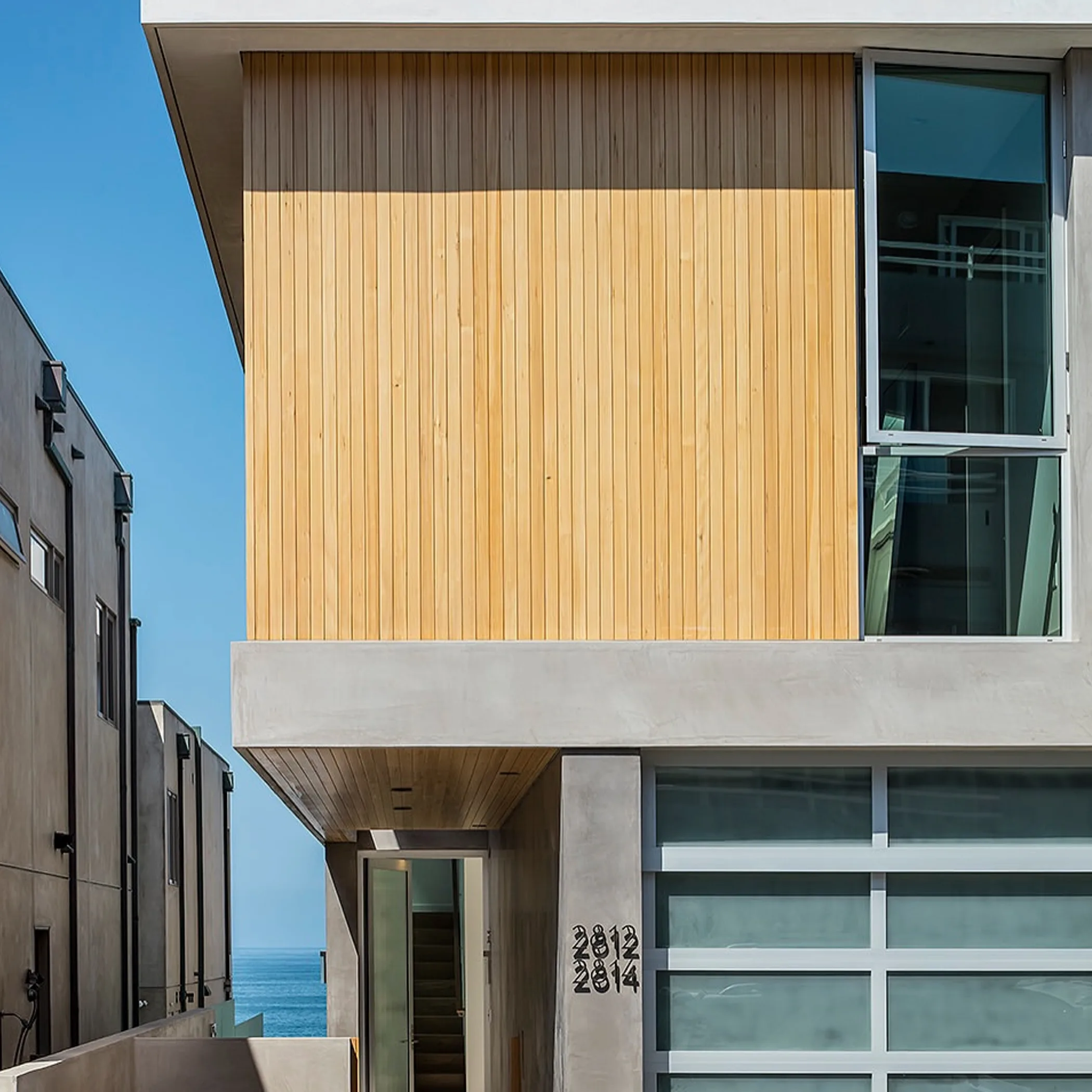
Where the metal, water and salt keep coming together is where you will find coastal roof corrosion, so pay more heed to the fixing points, box gutters and valleys than the expanse of a clean sheet.
Runoff from the roof will end up in the downpipes and gutters along with leaves and grit. The damp sludge of salt and debris left to sit on the metal for days will cause localised corrosion that stays hidden till you have a leak in the house.
A word on roof details
Fasteners are weak links of course, particularly if the coating is compromised or they do not suit the roof sheet. Look for any movement in the sheets or flashing, loose heads, a cracked washer or rust halo.
But resist the urge to put a pressure cleaner to the roof on the grounds it is dirty. Too much pressure will loosen brittle sealants, ruin the coatings and force water under laps. A fresh-water washdown done properly with safe access and runoff controls is of more use than hosing it down like a recalcitrant barbecue.
Fasteners And Structural Steel

It is the small fixings that hold things in place and support other components that can add up to a big bill when they need attention. A casual inspection will not be enough to spot a serious problem in time; by then, the stability, weatherproofing or safe access may already have been compromised by corroded structural steel posts, anchors and brackets.
One should make a point of examining carport posts, balcony handrails, awning brackets, shade structures, plant platforms, external stairs and service supports. While rust on something decorative is merely an inconvenience, what is found at a base plate or connection can be cause for an urgent call to a professional.
Surface Rust and What It Means
Do not write off surface rust, though it is not in itself a sign of imminent structural failure. More telling are flaking scale, deep pitting, rust jacking in the concrete, any distortion of members or a swollen connection.
It is unwise to put a coat on a structural steel post or scrape it without gauging the damage first; the cleaning could reveal metal thinner than one would like. Let a structural engineer or other building expert decide if a corrosion-control system, repair or replacement is called for.
The Australian Corrosion Zones
Under AS 4312 there is a framework for the atmospheric corrosivity categories in Australia, from C2 up to C5-M and CX for more demanding marine and industrial conditions, as well as low exposure. Having a sea view does not in itself dictate the right category, that is a matter of environment and exposure. In fact, over quite short distances the zones can vary across the country. An exposed beachfront elevation will not behave the same as the sheltered inland side of a building. Rainfall, humidity, wind direction, salt spray, the height of the structure and emissions from industry nearby will all have their effect.
Making Proper Use Of The Standard
Material selection, maintenance and coating specifications ought to be guided by AS 4312, but the standard is no substitute for a site visit and makes no guarantees as to the service life of a component. For matters of safety, structure and exposure, start with the National Construction Code (the NCC 2022 references for the project are included) from the Australian Building Codes Board and seek advice for the project.
Damage Can Be Detected Early
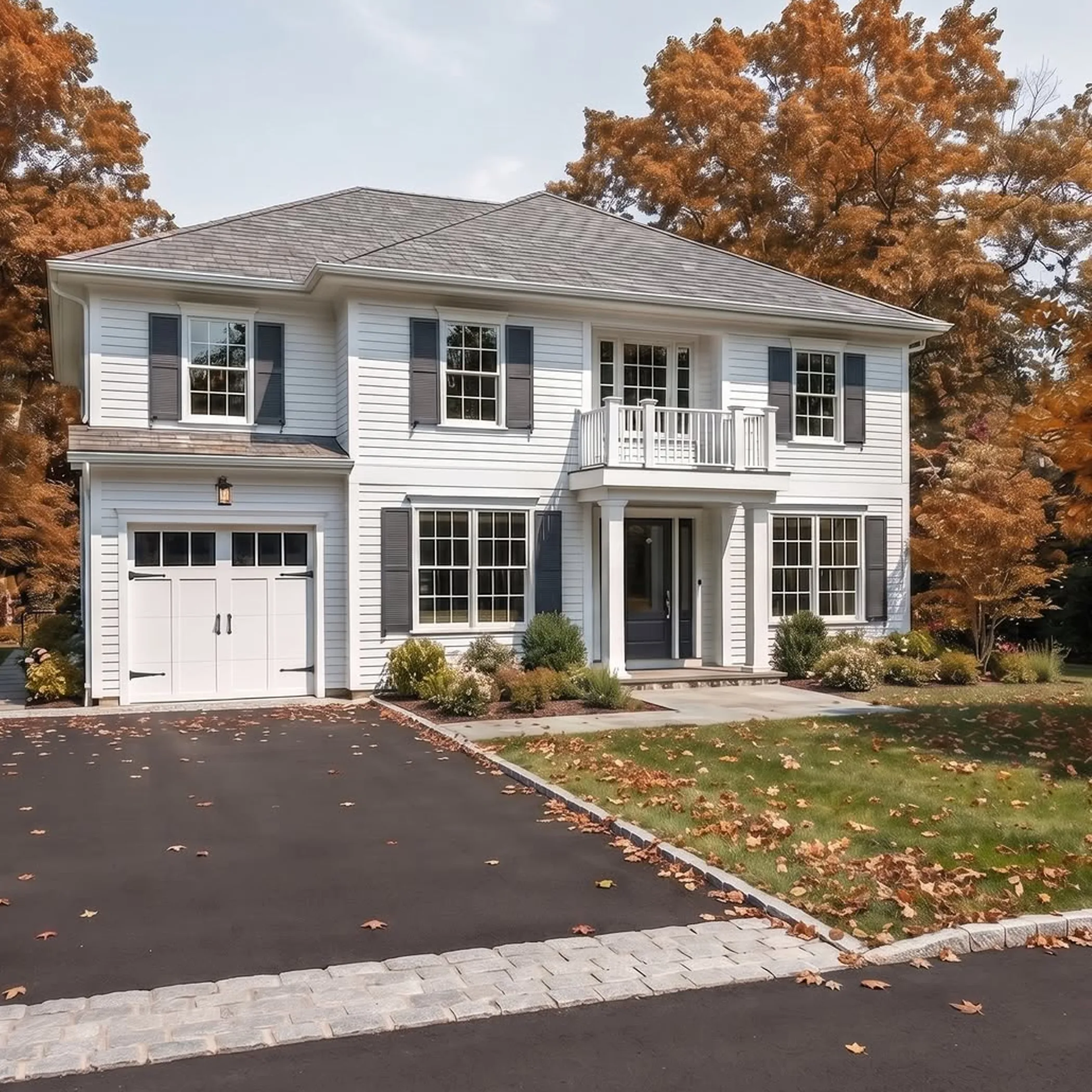
Coastal exterior repairs and cleaning are much more manageable when one is on top of things. Most will only see the corrosion once a door has given way or there is a leak and an unsightly patch to look at, yet the inspection is best done before such complaints are made.
After a dry spell and again in the wake of rain, do a walk around. Dated photographs from fixed vantage points will make any gradual change apparent. Check where water is slow to drain, the roof edges, windward walls, balconies and external stairs.
Warning Signs Around Buildings
There are plenty of warning signs: orange or brown staining, white powdery residue, bubbling paint or peeling coatings, pitted metal, sealants that have cracked, blocked gutters, damp smells, loose fasteners and rust below joints. Damaged powder coating, staining under a balcony or timber that has swelled near a metal connection should also be noted. A cover or panel may have allowed salt to build up behind it so a clean face is deceptive. People are apt to think that if a recess is sheltered it is safe, but these areas tend to dry out slowly and corrosion will take advantage of that.
Dealing With Salt
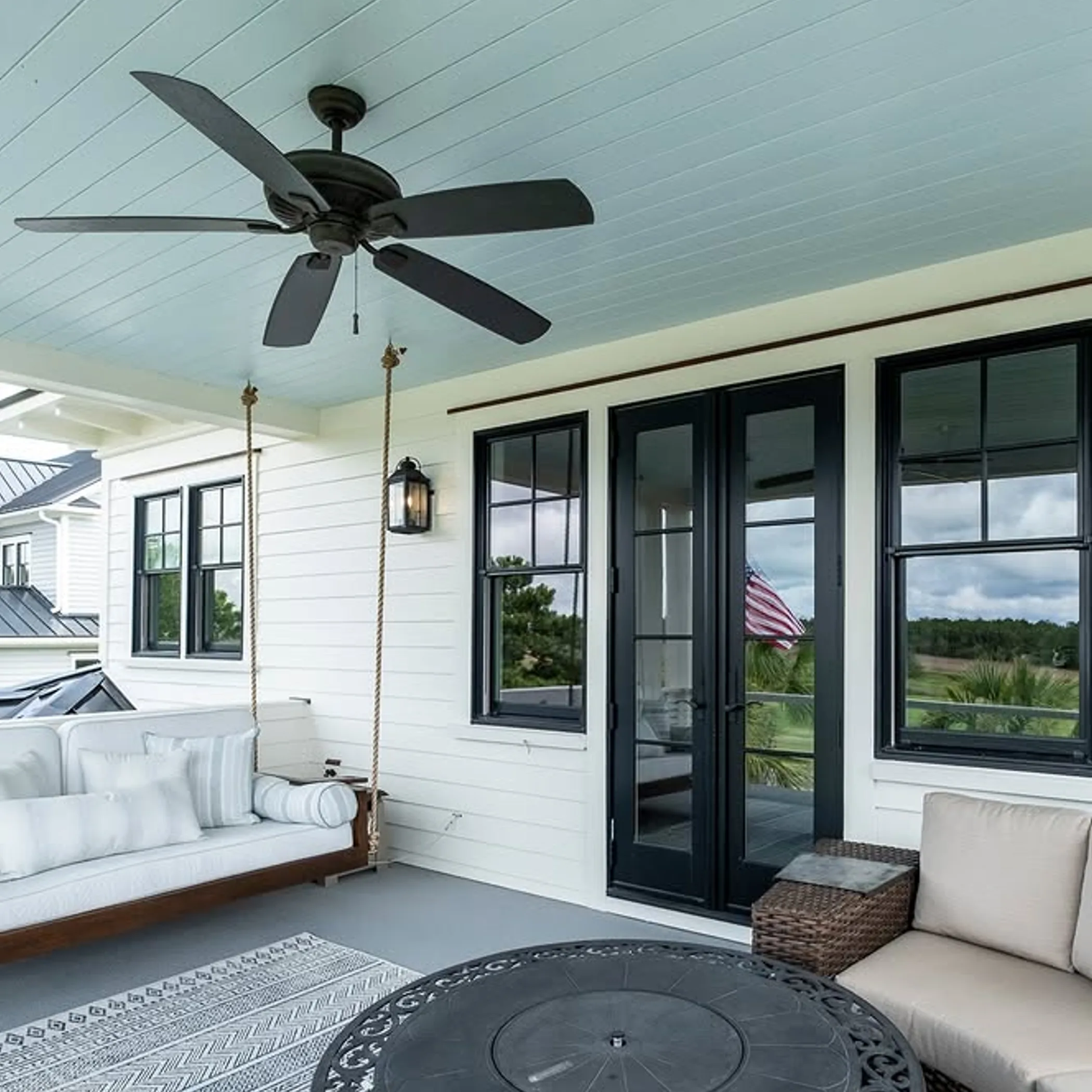
An effective coastal exterior cleaning will get rid of salt deposits and the moisture they draw in. Fresh-water washdowns are good for glass, painted cladding, metalwork, balcony rails and anything close to the roof, assuming the operator is working in a safe manner and the method is appropriate for the surface. How often this is done is down to the weather and how well the building sheds water; a property in the path of strong onshore winds will demand more frequent care than one set back a few streets.
Timing And Conditions
Owners would do well to appreciate the influence of the weather on exterior cleaning. If ladders or chemicals are involved, or controlled drying is needed, one should not be out in extreme heat, heavy rain or high winds. In parts of Western Australia and northern Queensland, from November to April cyclone alerts and wet season humidity can preclude safe work on a roof or complicate scheduling.
In New South Wales, Queensland and Western Australia the coast can be an open beach or an industrial port as well as a protected estuary. There is no one calendar that fits. Before commencing, a contractor should factor in the tides for water access, runoff, the state of the coatings and wind exposure.
Protective Coatings And Materials
Choosing the right materials goes some way to limiting future work, but “marine grade” is not a panacea. When you have marine-grade stainless or hot-dip galvanised steel and a high-performance coating, correctly put in place and maintained, they will serve well.
But compatibility is key. Even a hardy panel will not stand up to the wrong flashing, roof fasteners or brackets. Edges and welds, as well as drilled holes and cut surfaces, need to be treated with as much care as the rest of the material.
Specify Protection Carefully
Any protective coating put in place is to be commensurate with the substrate, the way it has been prepared, the exposure category and what one can expect in service. Carboline Carboguard 635 is an example of a product that might fit into a good system, though for the project at hand one should consult the applicator as well as the specification and data.
It is not possible to put a coat of paint on metal and have it make up for a loss of thickness. That is a temporary fix, not a repair, and only serves to hide active corrosion. The right course of action is to deal with the water source, do away with the corrosion and get the surface ready per the coating system before you put on a finish.
Coastal Maintenance Plan
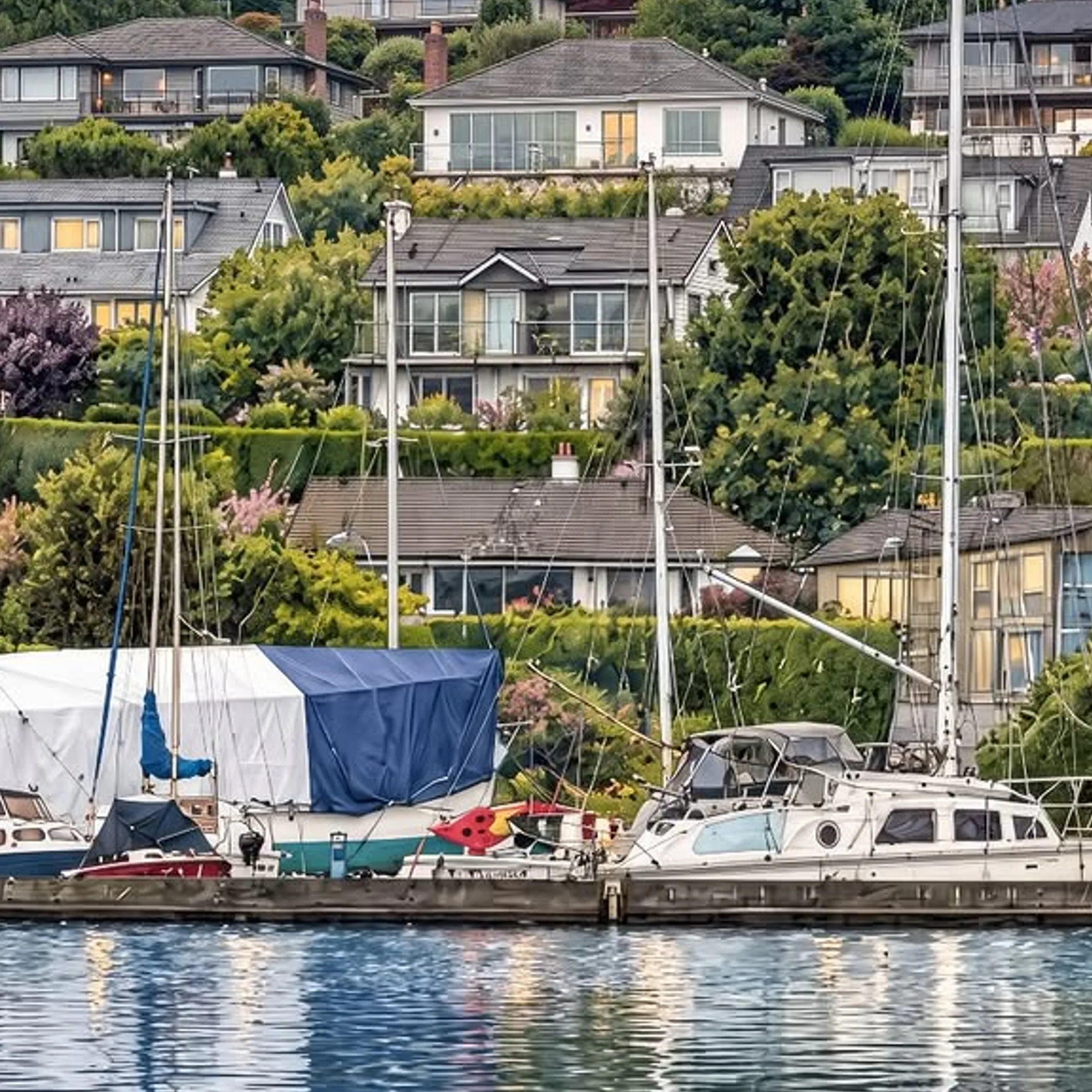
With a sensible plan in hand, the upkeep of a coastal building becomes part and parcel of property care instead of something one has to react to. It also puts owners in a position to set out the facts when they are after a quote from a professional.
One should keep records of inspections and give priority to any component that could let in water or pose a safety issue, making note of how exposed each elevation is. Where a building is close to open water, has old metalwork or a roof that is hard to get to, a ground level view is no substitute for having a professional come and assess it.
- Roofs, gutters, flashing, fasteners, balconies, handrails, sealants, soffits and the like should be given a look over as often as the exposure of the property dictates.
- A fresh-water washdown will see off salt, organic matter and dirt before they have a chance to bond and corrode.
- Do not leave blocked drainage, loose fixings or coatings in bad order unrepaired.
- For the AS 4312 exposure category call for corrosion protection and use metals that are compatible.
- For the benefit of any future contractor or owner, hold on to your invoices, photos and inspection notes.
- Of course work is to be called off if there is lightning, high winds or a cyclone in the offing, or the heat is too much and roof access is not stable.
Access And Costs
Logistics are a function of the site. An apartment or warehouse may present the need for rope-access men, traffic control or elevated platforms; a one storey home with a driveway will not. Make sure of parking, access gates, water and so on before you book.
You will not get an honest flat rate for exterior work on the coast without someone having seen the building. All manner of things add to the cost: height, the depth of corrosion, salt loading, containment and the like. Have them price the cleaning, the coating and the repairs separately so a low figure for the former does not mask the extent of the job.
For Owners: A One-Day Priority
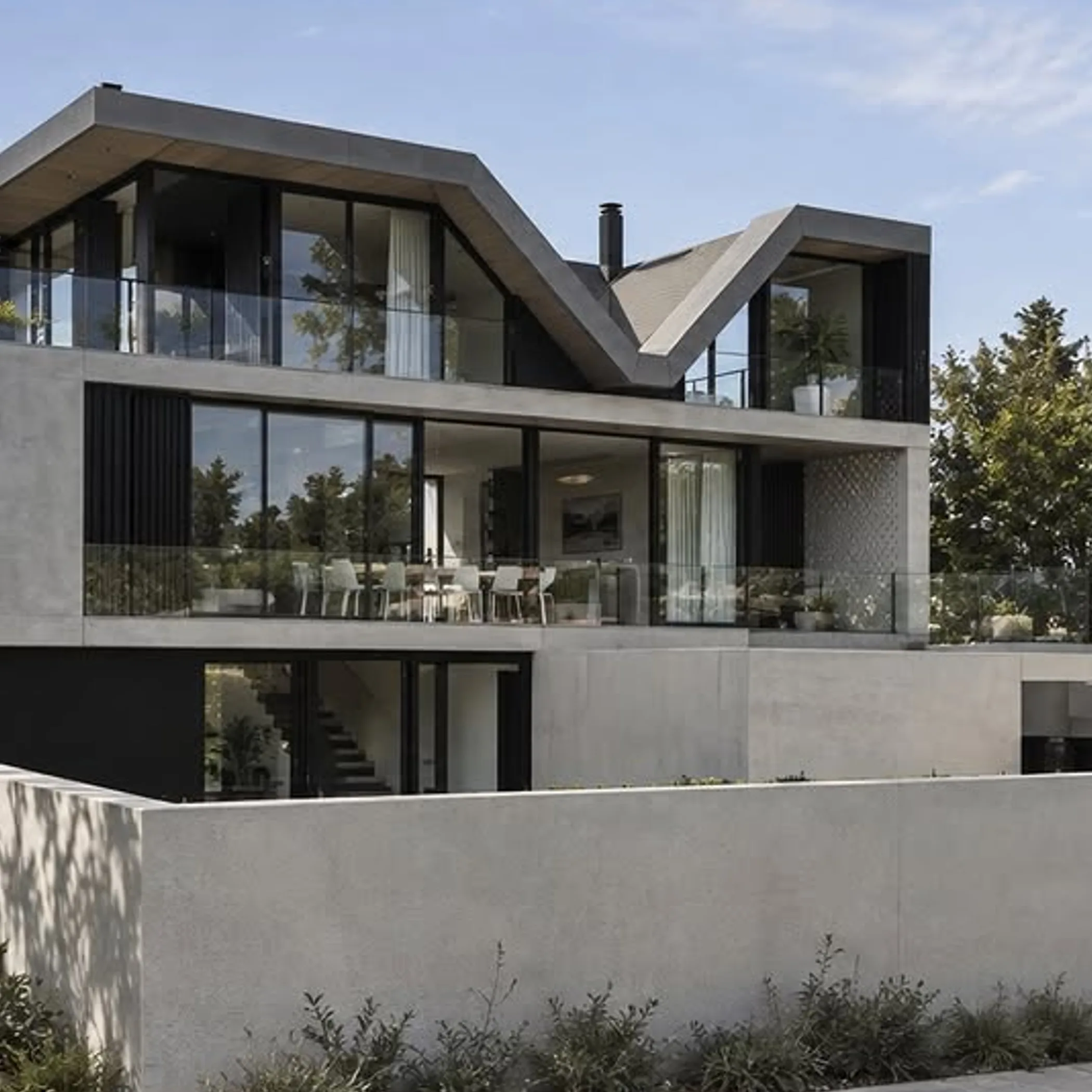
When time is short and there is only a day to put aside for a coastal property, concentrate on the external steelwork, the balcony connections, downpipes and the edge of the roof. Salt and water make their way into concealed joints here so they tell you a lot about the rest of the exposure.
- Put a pen to a sketch and mark where you see corrosion, photograph it.
- Leave the debris on the ground unless it is safe to clear and do not put yourself on a ladder without the equipment for it.
- Look for leaks, anything loose or unstable and drainage that is not flowing.
- Once you have scouted the repairs then schedule the cleaning; otherwise you are just putting new salt on a damaged surface.
This is the way to go for a facility manager, strata committee or homeowner. Not for the beginner who would think of taking on structural or chemical work from a ladder. The ocean is indifferent to your confidence in thongs.
FAQs
Owners tend to ask these once the salt damage shows itself. The answers below are straightforward but a serious case of corrosion or an unusual building calls for advice on site.
What Type Of Roof Is Best For Coastal Areas?
The material and coating have to be of a type that fits the exposure of the site, with the right fasteners and flashing. But looks are not the deciding factor. You are as well served by good installation and resistance to galvanic corrosion as you are by the sheet itself.
What Is The Best Roofing Material For Coastal Areas In Australia?
There is no one answer for every location along the Australian coast. Coated steel or aluminium may be appropriate, subject to budget and design. Rather than trust a “coastal” label, have the manufacturer or a building pro verify it is right for the marine environment.
Can Salt Damage Be Washed Off A Building?
Fresh water will take the deposits off but it is not going to put thickness back in the metal or mend a failed sealant. Cleaning is for prevention. See that the method employed does not drive water behind laps.
Does Stainless Steel Never Corrode Near The Sea?
Not true. Even marine grade will stain or pit if chloride is left on it or the grade is not up to the task. Rinsing and proper detailing are still called for.
How Often Should A Coastal Building Be Inspected?
That is a matter of the materials, age, wind and how far you are from open water. If you have had a storm, a leak or a change in a structural connection, do not put it off.
Keep Salt Damage Manageable
The effect of the salt air on exteriors is a fact of life in Australia but habits will keep it in check. Treat the early signs of corrosion before it gets under the coating or into the structure.
My advice is to have a maintenance plan in line with the building’s access and the local exposure and not put it off until the roof is covered in orange freckles or the handrail gives way. In the end it is cheaper than dealing with months of settled in corrosion.
