With the latest National Construction Code requirements being adopted by the various states and territories, building owners, certifiers, designers and contractors have their work cut out for them. This 2026 guide to NCC 2025 Water Management in Australia will tell you what needs checking. In short, the NCC 2025 has altered the way certain projects have to deal with surface and subsurface water, moisture, waterproofing and water shedding; the legalities of it, however, are a matter of jurisdiction and the nature of the building work.
Adelaide Crowe has put this piece together as a guide to practical compliance (not to be taken as legal advice). The Australian Building Codes Board is the national administrator of the NCC 2025, yet it is up to each state and territory to make the call on how and when to adopt it. Consequently a Victorian project might be in a different position of transition than one in New South Wales or Queensland. Then again, building compliance has never been as straightforward as putting together a flat-pack barbecue.
What has the NCC 2025 changed?

It is about keeping an eye on water before it turns into a defect. One does not need to confine the issue to a bathroom membrane under the new rules. NCC 2025 is concerned with rainwater making its way to the building, the shedding of water from walls and roofs, and the movement of moisture in below-ground spaces; see this NCC stormwater compliance overview for context. In effect, design that will stand the test of time.
There is a practical upside to this in the form of less dampness, leaks, mould and corrosion. It also goes some way to having project teams consider water management as part of the design rather than something to be done by way of an afterthought once the frame is in place.
From water management to waterproofing
One would do well to see the NCC 2025 waterproofing changes in the context of the whole system. You need your drainage, junction detailing, external water management and below-ground protection to be of a piece. No compliant product is going to save a design that funnels water to a weak wall junction.
In many cases the onus is on demonstrating the proposed solution meets the performance requirements. While there are Deemed-to-Satisfy provisions, an alternative calls for professional judgement and the documentation to back it up.
Applicability of NCC 2025
Do not assume there is an implementation date for NCC 2025 that covers every project in Australia. The ABGB puts out the national code but the authorities in the states and territories set the terms of adoption and any local conditions.
Before one gets too comfortable with a national publication date, the legal position in the area where the work is to be done should be verified. See if transitional provisions are in order given the approval pathway and the type of work, or whether the project was already lodged or contracted under a previous code.
A matter for the locality
When it comes to state and territory adoption, it is a legal requirement and not a tick box exercise. A designer can put forward NCC 2025 but the certifier will have to go by what has been adopted in the jurisdiction. There may be other demands from the authority in the way of stormwater or plumbing rules.
The best course is to refer to the official information from the ABGB and the local building department. Their resources are the national reference but they are no substitute for the instruments of adoption.
Water management in practice
Surface water management under NCC 2025 is all about the water that comes across the site or the building envelope, be it from rainfall, roof runoff, balconies, paved areas or exposed elements such as thresholds and openings.
For subsurface water the concern is the moisture found below or adjacent to the structure. This will affect ground floors, slabs, basements and any habitable space underground. The remedy could be sump systems, tanking, grading, vapour control or some combination of these.
You have to provide a clear route for surface water
Roofs, cladding joints, flashings and sills must be directing water clear of occupied areas and materials that cannot take it. And then there are the small things that lead to big problems. An unsealed penetration or a threshold not properly formed can make a recurring nuisance of an ordinary downpour. A blocked balcony drain will not be put off by the aesthetics of the architectural drawings in a wet season.
Evidence for Subsurface Moisture
A blanket waterproofing note is not enough for work below ground. The design has to be of a piece with the site, taking into account what the ground and water table are like, the drainage and retaining system, how the space will be put to use and the sequence of construction.
It is an error some make to regard a basement wall as if it is subject to nothing more than the odd rain shower. Groundwater and hydrostatic pressure in concert with construction joints can impose a steady moisture load. The system put forward must show in what way water is to be kept out, collected or put to safe discharge.
What Has Changed in Section F
With the NCC 2025, Volume One projects will find their approach to water and moisture from a health and safety standpoint is altered by the changes to Section F. How this is applied in any given case is a matter of the building class and what the code dictates.
Rather than looking at a clause in isolation, project teams would do well to read the requirements as they stand. One will find that Part F1, F3 and F1P1 and their ilk have bearing on everything from roof drainage and wet areas to the performance of the building elements and external water control.
Part F1 and F3
The former is where one looks for stormwater and drainage; the latter for roof and wall cladding in Volume One. But do not assume the provisions are the same as on an old template, the wording and application should be verified in the current code.
There is no point in putting a new year on the cover of an old specification. The drawings may seem to be the same but the terminology and interface details called for have been revised and it will be found out.
Buildings Where It Will Be Felt
New build is self evident, but there are also compliance issues with alterations and the like. The extent of the impact is determined by the jurisdiction and the scope of work.
Class 2 apartments call for some attention. With the number of balconies, podiums and façade junctions, there is ample chance of water making its way between levels or lots. A Class 7 or 8 building may warrant a close eye too if the plant rooms, vehicle areas or industrial processes present unusual moisture.
| Project Area | Water Risk | Compliance Check |
|---|---|---|
| Class 2 | Balconies, bathrooms, etc. | See that membranes, falls and thresholds are in order. |
| Class 7 | Ramps, loading and plant | Review the drainage capacity and trafficable surfaces. |
| Class 8 | Wet processes and penetrations | The materials and drainage should be suited to the space. |
| Existing | New work tied into older construction | Do not take for granted the older system; inspect the interfaces. |
Reality vs. Expectation
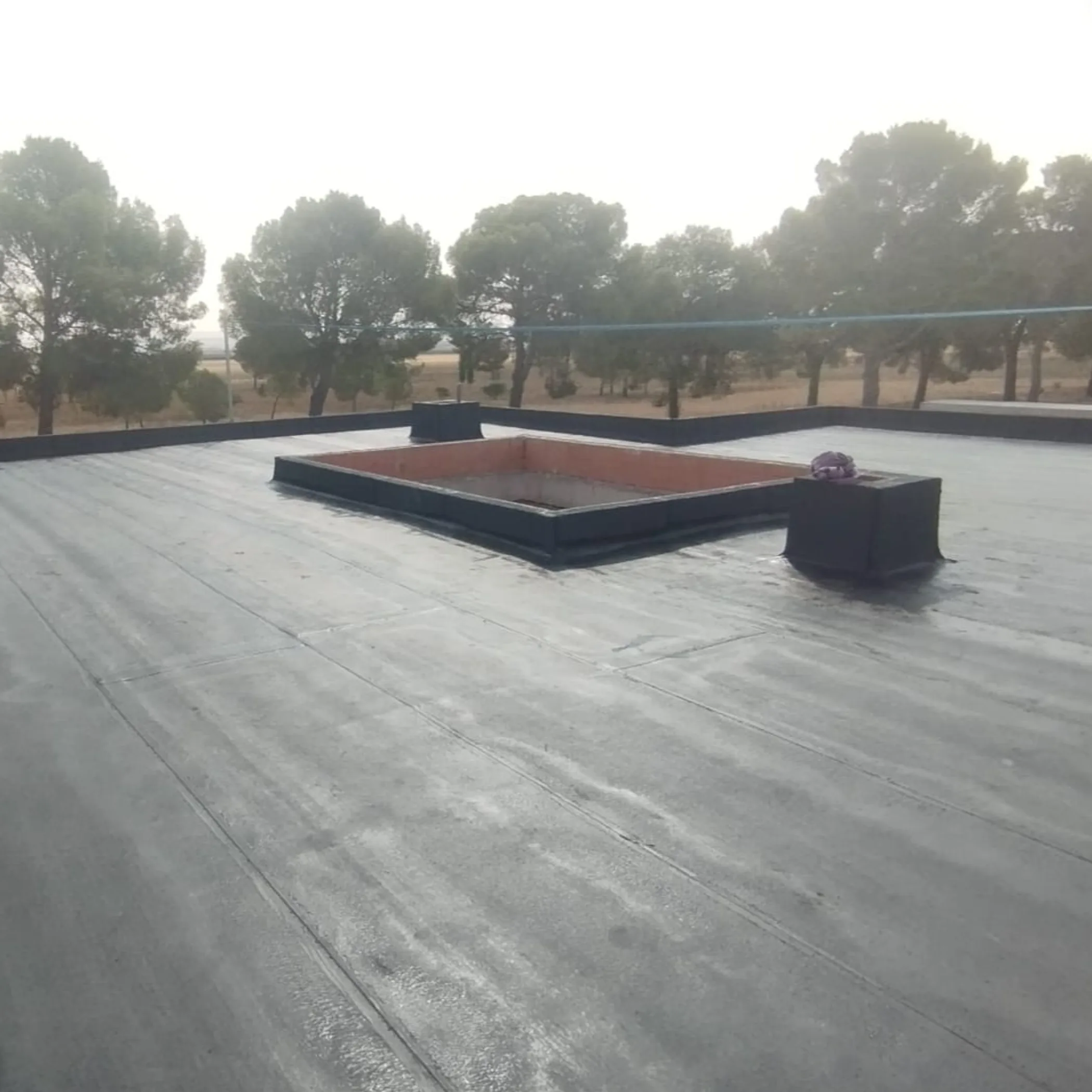
One might think a change in waterproofing is the contractor’s problem alone. In fact, it involves the structural and civil designers, the façade engineer, the plumber, the landscape architect and more.
Or that having a downpipe means stormwater is in order. The truth is you have to check the entire route, the overflow, the site levels and what happens in the event of a blockage.
A certificate for a product is not proof the wall is compliant. The evidence underpins the system but does not in itself demonstrate the installation and junctions are up to NCC standards.
State Variations for 2026
The national edition of the code does not preclude state transition rules. Whether it is the NSW or Queensland implementation date or the changes in Victoria, the position of the state has to be ascertained.
Before putting out construction documents for a Victorian project, look to the regulator and the adoption instruments. In New South Wales the building and planning authorities will have the answer on what is required for certification. For Queensland, the adopted code position should be checked with the regulator before one puts stock in the NCC 2025 dates.
An old report or a builder’s recollection is not to be trusted, nor a search result from another part of the country. What was in place when the design got the go ahead and the work started should be on record.
Preparation for the Project
This is largely a question of coordination. To have a solution that can be evidenced, responsibility must be clear and water paths identified at the outset.
Compliance Checklist
- Make sure the NCC edition and any transition rules are those legally in force in the territory.
- Put the building class and all affected work on the table.
- Chart the drainage for the site, pavement, façade and roof.
- Put the under-ground conditions, retaining walls and slabs to the test as well as any groundwater risks.
- Make sure the architecture, structural, civil drainage, plumbing, façade and landscape drawings are in harmony.
- One must also look at falls, outlets, overflows, thresholds and penetrations to be certain of maintenance access.
- Gather the photographs, inspection records, product evidence and what is required for installation.
- Should there be a Performance Solution, put on record the evidence and the rationale for it.
An inspection on site is called for before the work is hidden by finishes. Put the membranes, flashings, construction joints and the like on camera. It is better to have a cursory look when things are on display than to have an extended argument with a storm behind you.
What Catches People Out
The interface of different trades can be a source of surprise. The waterproofing on a balcony may be done right but a leak will find its way through the door threshold or the balustrade fixing. Then there is the misconception that landscaping is all show; in fact the soil, edging and paving will dictate the path water takes to the building.
Do not overlook maintenance. A system has to be serviceable to ensure the longevity of the building, not merely one that gets by an inspector on a fine Tuesday. Debris from leaves and birds will impede the performance of the drainage at the roof gutters and balcony outlets.
Practical Scenarios For Owners
A review of an existing building in a day should be focused on the wet areas, the balconies, roof drainage and basement walls, and any staining or corrosion in plain view. Be on the lookout for water marks after a rain, blocked outlets, skirtings that have swollen and the tell-tale smell of damp.
It is incumbent on the owner to secure the original set of drawings, warranties for the waterproofing and any reports or maintenance files. A buyer would do well to enquire as to who is looking after the common-property drainage and if past repairs were at the root of the matter or just a cover up.
There is no room for guesswork here. Where there is a basement, a complicated façade or a Performance Solution in the offing, take counsel from those with the proper qualifications and get the certifier to confirm the position.
Frequently Asked Questions
What Are The Changes In NCC 2025?
The 2025 edition of the NCC brings new requirements and guidance to bear on water management, be it surface or sub-surface, or the interfaces of waterproofing. The specifics will vary with the Volume, class of building and how the state or territory has chosen to adopt them.
Key Changes To Condensation Management?
This is part of the wider moisture management equation. Designers have to factor in ventilation, insulation, thermal bridging and so forth. You cannot expect a membrane to remedy condensation stemming from a poor thermal arrangement or lack of ventilation.
Is NCC 2025 The Latest In Australia?
For the purposes of this brief yes, though one should verify the version and transitional provisions in force for the project.
A Legal Requirement?
Through the legislation of the states and territories the NCC is made enforceable. The team cannot rest on the fact that NCC 2025 is a national code; they have to determine what carries legal weight in the project’s jurisdiction.
Must All Renovations Comply With NCC 2025?
Obligations are not uniform. It hinges on the nature of the work and the approval pathway. If an alteration involves anything below ground, the façade or drainage it is not to be regarded as cosmetic and should be looked at early on.
Final Compliance Takeaway
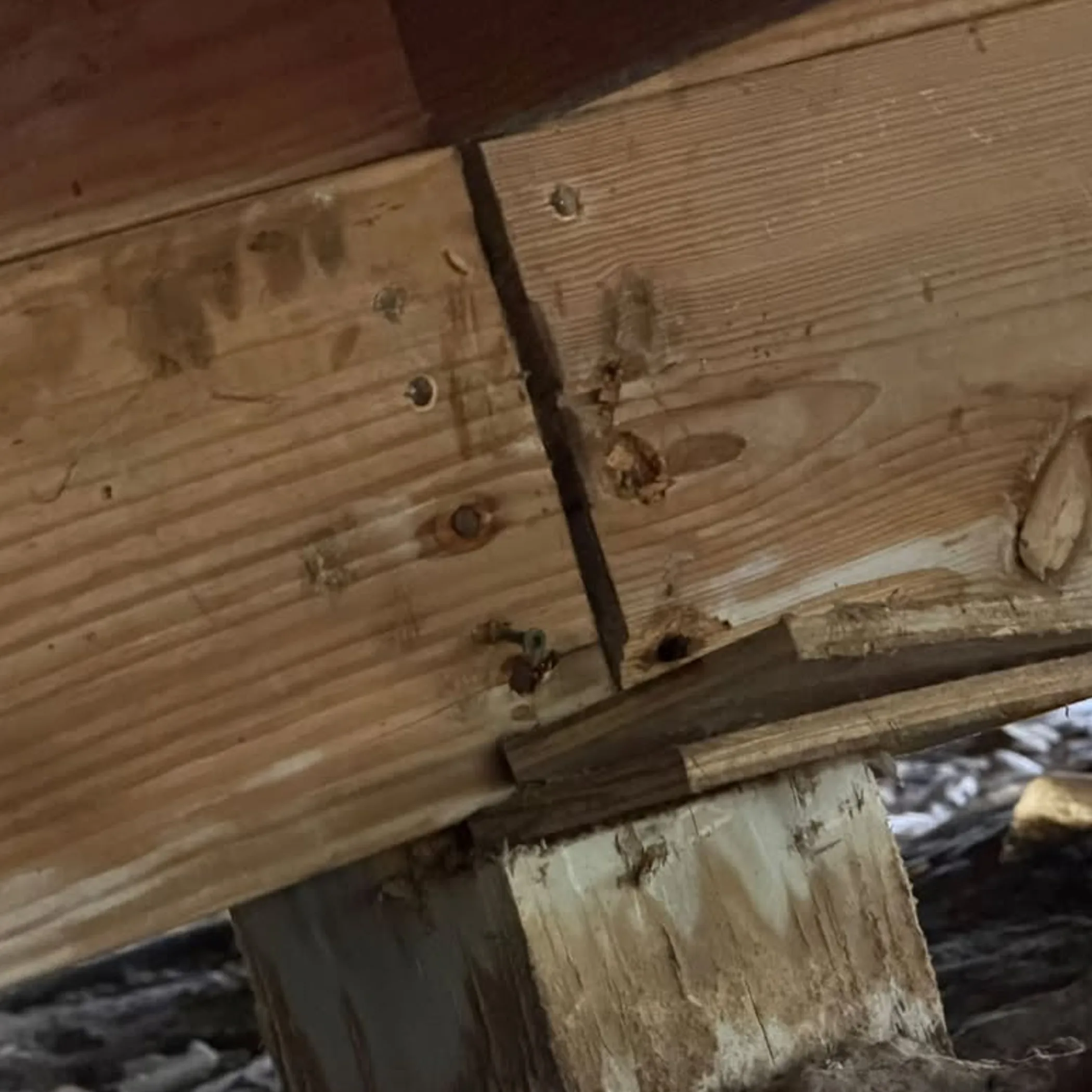
To make sense of the NCC 2025 changes in water management, trace the water from the sky down to the soil. See where it goes and how it is to be maintained.
In Australia check with the state or territory authority on the implementation date of the 2025 code and have the details coordinated prior to breaking ground. When water management is done well it is unobtrusive. The idea is to have less in the way of defects and leaks and avoid the kind of meeting where buckets are involved.
