The first rule of thumb for hot water storage in Australia is to have it at 60°C or more and then see to it that the temperature is reined in at the tap to guard against scalding. In doing so one keeps the water delivered to people within safer confines and deprives Legionella bacteria of the conditions they need to multiply.
You will not find a blanket legal hot-water temperature across Australia for all properties; what is required depends on the state, the building and its occupants and the plumbing involved. The prudent course is to have a storage water heater running at 60°C or above with a tempering or mixing valve of the right specification to regulate the outlet. I am Adelaide Crowe and put together this guide to get at the practicalities without making you put on a hard hat and go off down some plumbing rabbit hole.
Store Hot Water At 60°C
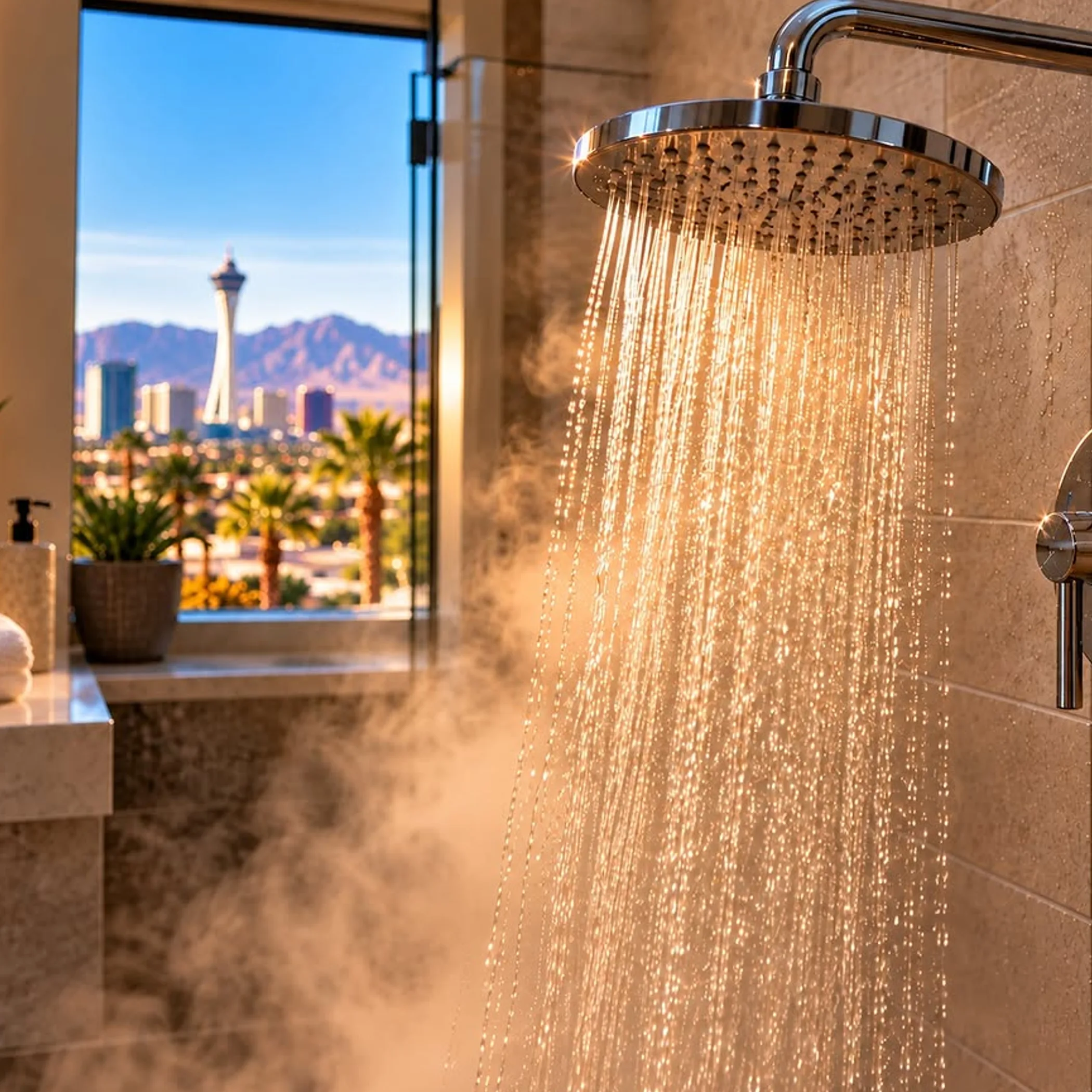
Across Australia the norm for controlling Legionella is to have the storage tank at a minimum of 60°C. That is enough to deter the bacteria from making a home in the tank, pipework or storage water heater.
Do not confuse the storage with what comes out of the tap. A tempering valve can be had to put out cooler water for basins and showers even if the tank is holding 60°C or higher. These are valves ensuring safe delivery. It is a simple matter of having it hot in storage but controlled where it is used.
Why 60°C Matters
Legionella likes its water warm and still. If water is left to sit in the 20-45°C band for any length of time, especially close to 37°C, the risk is there. Anything under 60°C in storage makes for a more hospitable environment for the bacteria in a busy distribution system than is desirable.
Then again, heat is not a panacea. Bacteria can hang on in sediment, biofilm, dead legs, low-flow pipes and the like. An effective Legionella plan for a hot water system has to include adequate storage heat as well as flushing, maintenance and sensible testing of the water temperature.
Understand The Legionella Risk
One gets Legionnaires’ disease by inhaling the fine aerosols of Legionella bacteria. The threat is not in drinking the water but in breathing the mist and droplets from a shower, spray tap or spa jet.
While most households do not have the same exposure as a hospital, hotel or aged-care facility, that is no reason to let your system go unheeded. An old tank or a little used guest bathroom can make of an ordinary shower something of a risk.
What Most People Get Wrong
Some will set their water heater to 50°C on the supposition it is safer all round. It might spare you a scald at the outlet but it also puts the stored water in a range where Legionella can thrive. Or you may be surprised to find a water heater reading 60°C yet the water at a far-off outlet is cool; faulty valves and heat loss in the pipework will produce lukewarm pockets. The setting on the tank is only part of the story.
Control Temperature At The Tap
In Australia the temperature at the tap must be kept in check to avoid scalding, in places such as childcare, hospitals, disability accommodation and the rest. Where there are rules to follow, the limit is often in the region of 45 to 50°C.
It does not take much to scald an older person, a child or one with limited sensation or mobility, so a 60°C storage temperature is not fit for a direct shower. Proper design calls for separate controls for what is stored and what is put out.
Storage And Delivery Differ
| Part Of The System | Useful Temperature Guide | Main Purpose |
|---|---|---|
| Storage water heater | At least 60°C | To put an end to the conditions Legionella needs |
| Hot water distribution system | Well maintained and sufficiently hot | So as to have no stagnant, lukewarm pipework |
| General delivery at the tap or shower | A 45–50°C is common | To lower the scalding risk in line with local requirements |
| High-risk care environments | Tighter limits and checks on record | For the protection of those more open to injury or infection |
| Where Legionella growth is a concern | In the order of 20–45°C | A range that demands risk management |
Take these as a guide but they are not to be taken in lieu of the plumbing rules for the building in question. What constitutes the right outcome is a matter of property type, the outlet and valve set up, as well as any state or territory stipulations.
Use Tempering Valves Correctly
The function of a tempering valve is to mix the hot water from storage with the cold supply en route to a fixture. In circumstances where there is greater risk one will often find a thermostatic mixing valve (TMV), for the more exact temperature control it affords; in some cases it is a requirement.
They are there to make delivery safe but are not something to put in and forget. Debris can block them, they can drift or underperform post-maintenance, or just fail. The figures on paper may not reflect the actual temperature coming from a valve that was properly commissioned a few years back.
Choose The Right Valve
It is the licensed plumber’s role to put in the right valve for the occupants and the property. He will take into account the Australian Standard or what the state plumbing rules call for, as well as pipe run, pressure, the heater and fixture positions, cold water supply and the delivery temperature needed.
If the shower is running too hot do not be tempted to turn down the storage thermostat. That is making a storage issue of a delivery one. One would be better served by looking at the tempering valve, verifying the heater is operating as it should and checking the outlet temperature.
Check State Rules Carefully
There is no single number for legal hot water temperature in Australia despite what the phrase would have you believe. You have to look at the National Construction Code, building and plumbing rules and the like.
In Queensland, Victoria or South Australia the requirements for a new build, a renovation, an existing installation or a healthcare or rental property might be worded differently. Put aside the opinion of some bloke on a forum who has changed a tap washer in his day and go to the relevant authority for how it is interpreted now.
Where Guidance Comes From
The framework for the National Construction Code is put in place by the Australian Building Codes Board; local legislation and licensing are then enforced by the state and territory plumbing authorities. Public health or plumbing data on particular risks is put out by bodies such as SA Health, the Building and Plumbing Commission Victoria, Queensland Health or the Victorian Department of Health.
Then there are the Australian Drinking Water Guidelines of the National Health and Medical Research Council which give national direction on water quality if not a full manual for installing a hot water system. As for Legionnaires’ disease prevention in Queensland, Queensland Health has guidance on Legionella to be had.
Maintain A Safer System
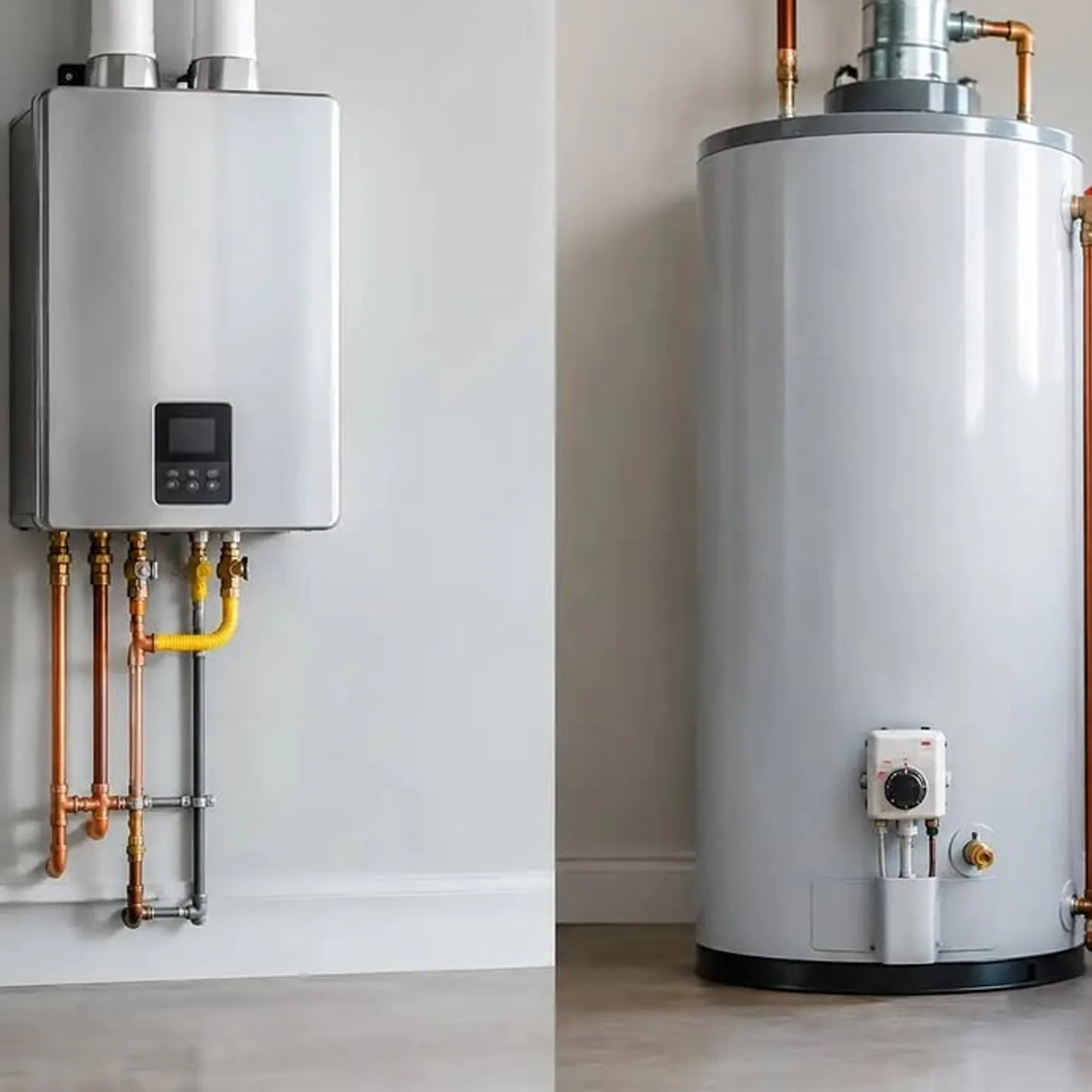
You get the most from temperature monitoring when it is done on a regular basis and recorded. An occasional check will turn up an issue but a log will tell you if an outlet is habitually below range or a valve is drifting. For hotels, hospitals and aged-care facilities the monitoring needs to be in accordance with a water-management plan drawn up by those qualified to do so; for the home it can be part of the servicing.
Practical Maintenance Checklist
- See that the storage water heater is at 60°C or more if the system warrants it.
- Take a reading at the outlets, the one furthest from the heater included.
- Make sure the TMVs and tempering valves are clean and have been commissioned to spec.
- Look over the system for poor insulation, sediment, dead legs and lukewarm sections or leaks.
- Put down in writing the results of your testing and any repairs or faults.
- Should there be repeated failures of temperature or a long shutdown, or after plumbing work, have a professional have a look.
Leave the thermometer or let a licensed plumber with the calibrated gear do the measuring. “Feels fine” does not make a maintenance record and “feels hot” is not a reading.
Flush Unused Water Outlets
Spare bathrooms, holiday homes, offices with few people about and accommodation between guests will have stagnant water in the pipework. Flushing the unused taps puts fresh water from the distribution system in its place. Do it in a controlled way, do not stand with your face over the stream and make sure to ventilate. There is no need to make a tropical storm of the bathroom.
Reduce Stagnation Safely
As part of routine upkeep on a domestic property do not neglect the hot and cold taps that see little use. The manufacturer will have instructions for cleaning aerators, hoses and showerheads; scale and organic matter are where bacteria will hide.
In the case of a sizeable building, one’s flushing schedule ought to put on record every outlet and who is answerable for it, as well as the frequency of the task and what is to be done should temperatures stray from the target. Where there are residents or patients of a more vulnerable nature, a risk assessment by a professional is called for.
Plan For People At Risk
Those with diabetes, kidney or chronic lung disease, a compromised immune system or any condition that would make an infection more consequential require a higher standard of Legionnaires’ disease prevention. The same is true of smokers and older adults who run a greater chance of severe illness.
It is not enough to rely on memory in such environments; document the maintenance and temperature at point of delivery and in storage. The operator of the building must have a clear idea of who is checking the system, who will deal with a poor result and under what circumstances a public-health specialist or licensed plumber is to be engaged.
Expectation Versus Reality
One might expect a modern heater to see to the Legionella risk without fuss. In fact the equipment is only as good as its commissioning, the pipework, the valves and the upkeep it receives.
And while hotter water at all points may seem the safer option, an overzealous delivery temperature is a scalding hazard. A system under control can have hot storage and yet be safer at the outlets. Water management is a matter of control, not of cranking every dial up to the maximum and making do.
Make The One-Day Check
For a household system where time is of the essence, put your efforts into measuring and the outlets of highest risk. Put the tempering valve to the test, check the storage and the temperature at the basin and shower and give the infrequently used outlets a thorough flush.
Should the storage heater fall short of the mark, the valve leak, the system have been tampered with on paper or the outlet temperature show an abrupt change, put down the tools and get a licensed plumber. If there is any immediate danger of scalding, do the same. It is less expensive in the long run than having to put right a preventable injury or look into a contamination incident.
Frequently Asked Questions
Hot water safety and the need to comply with Australian plumbing standards and Legionella control tend to raise the following questions. The brief answers will do, but in the end it is the property design and the rules of the state that will dictate what is done.
What Temperature Should Hot Water Be Stored At To Prevent Legionella?
Provided the system and requirements allow, 60°C or above. From there the water goes through a TMV or other compliant tempering valve en route to the showers and basins. There is a distinction in the safety purpose of tap and storage temperatures.
What Is The Legal Temperature For Hot Water In Australia?
You will not find a legal temperature that applies across the board to every outlet and property in Australia. It is dependent on the type of building, the occupants, the work done and the state or territory. In many places subject to regulation the delivered temperature will not exceed 45-50°C, though for the purposes of controlling Legionella storage is typically 60°C or more.
Is 70°C Too Hot For A Hot Water Cylinder?
At seventy degrees Celsius you are raising the risk of a scald and for some domestic systems it is superfluous. It has its place in certain programmes or systems but let a professional make the call. The water is not to be put directly on a person at that heat.
How Long Should You Run A Shower To Avoid Legionella?
No length of time in the shower is a sure thing. What matters is the absence of stagnation, proper circulation, clean fittings and the right temperatures in storage and at the point of delivery. Before you step in after a while, flush the shower in a measured way.
Are Legionella Testing Requirements Australia-Wide?
Not for every household. But a risk assessment or a water-management plan in a high-risk environment such as an industrial site, aged-care or healthcare facility will see testing recommended or even required in the event of suspected contamination. Consult a water-system professional and the health authority for guidance.
Keep Storage Hot And Delivery Safe

There is a simple way to put it: keep the storage suitably hot (60°C as a rule), put some control on the water at the outlet to guard against scalds and do not let stagnant areas become a risk. Flush the odd unused tap and service the valves.
It is not necessary to be a water engineer to understand the difference between a tank that is hot and a tap that is safe, or to know when to ring a licensed plumber because the numbers do not add up. A little of that kind of attention is all it takes to ward off a nasty scald or Legionnaires’ disease.
