With the right plan as to what season it is, your vehicle and the type of campground you are after, a foray into Kakadu can be brilliant. For those who want the up front answer: make it the dry season between June and October for the least trouble, leave the managed campgrounds to the first-timers and do not underestimate the importance of road access or the heat and mozzies and croc safety. Consider choosing Kakadu season wisely to enhance your experience.
On paper, Kakadu Camping Tips And Campground Info is straightforward. In practice the park is immense and conditions have a way of changing on you; an evening at a bush camp may be one man’s peace and quiet and another’s “where has the shade gone and why no shower?” I am Adelaide Crowe and this guide is put together for anyone with plans to put in some time at Kakadu National Park. It covers the sort of practicalities you would rather have to hand than go looking for later: facilities, where to put down, what to watch out for so as not to make a good trip into something of a sweaty logistical affair.
Quick Overview
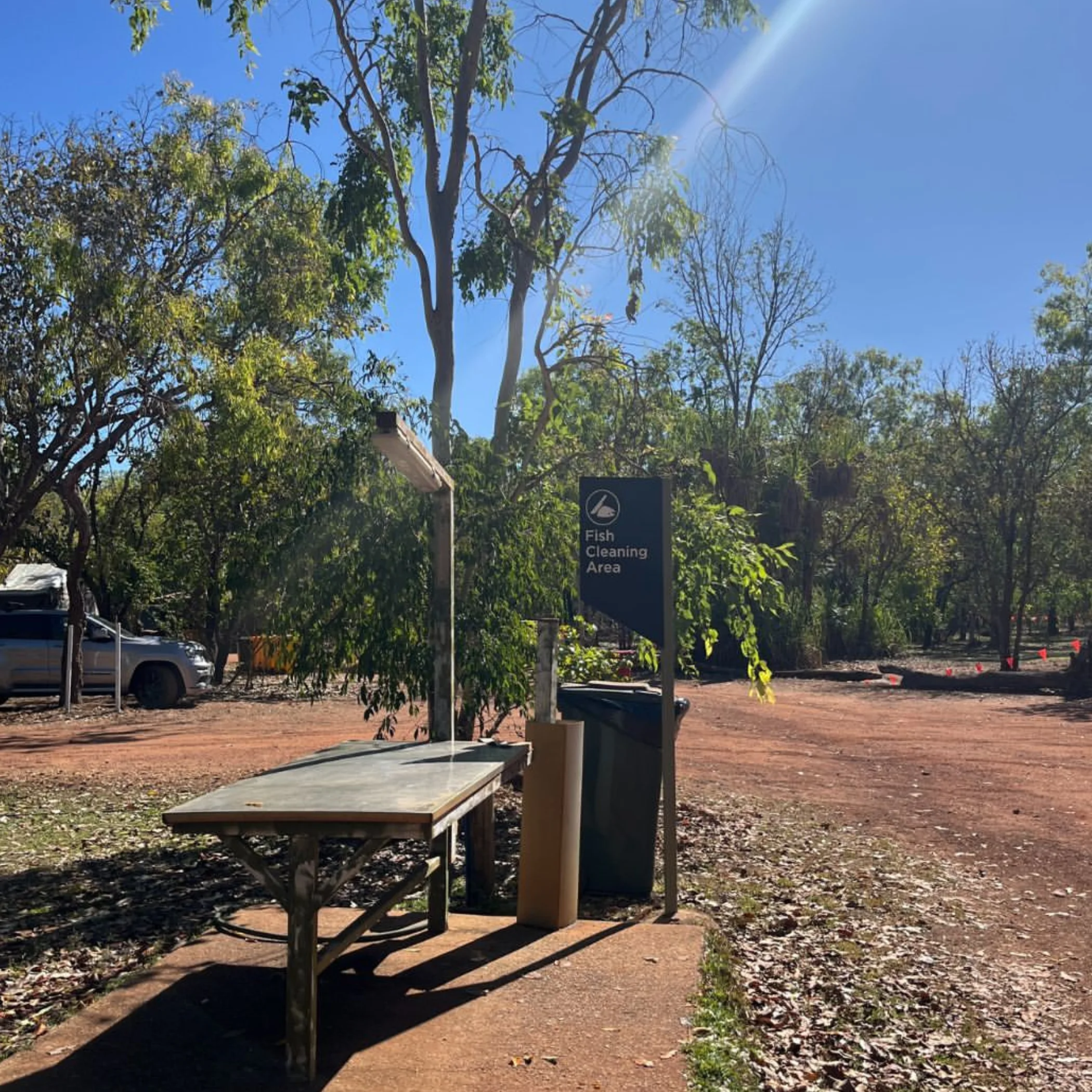
Do not think of Kakadu National Park as a single tidy campground behind an entrance gate with a kiosk. The Top End is home to a vast expanse of cultural sites, floodplains, escarpment country and wetlands, and its campgrounds run the gamut from unmanaged bush to a tourist park of some comfort.
Where you choose to camp will dictate what you get. In and around Cooinda and Jabiru it is all quite simple. But put in some miles to Gunlom or the tracks to Jim Jim Falls and you are at the mercy of the weather and the road, and 4WD access becomes a necessity.
Who is it for?
The kind of traveller who will make of this trip what they want is one who does not mind foregoing convenience for the sake of space and an early morning over the billabongs. Caravanners content to stay in 2WD country, or road trippers with the water and fuel and timing sorted without having to wing it, will find it to their liking. As will any camper wanting both a wild setting and some measure of facility.
For those who require powered sites, hot showers and a mobile signal at every turn, it is not the place to be. Dislike the heat or a basic dunny and have to like your plans to be adhered to? Then you may well find Kakadu as rough as guts in short order.
Seasonality
There is nothing more important to get right than the season. Up in the Top End it is not a matter of sunshine preference; it is about whether a detour you have in mind is even feasible, what the river levels are, how the humidity is and if you can get to your swim spot or open campground.
The dry is where most head because it is easier. The wet is not to be shunned but it is less certain and calls for a good deal more caution.
Dry vs Wet
From June through October the dry is the most dependable time to be camping in Kakadu. You will find the roads are open, the big attractions within reach and nights are more comfortable, at least until the late season heat sets in.
The wet means road closures, storms and flooding. Some of the more remote camps and the roads to them will be shut. Creek crossings at Jim Jim Falls for instance can be damaged and entry made unsafe. People are apt to assume that if a spot is on the Kakadu camping map it is there for the taking. In this park, mapped is not synonymous with open.
At the time of writing, the most reliable way to check current park access and campground conditions is through Parks Australia Kakadu National Park information. They would have you check before you set out since fire, weather and floods can put an end to things.
One day only
Want to sample Kakadu in a day? Make for the corridor from Jabiru to Ubirr or Cooinda and you will be better off than trying to put in the miles to see every waterfall worth the name. In a park of this size it is often the wiser course to drive less and see more.
Campground Styles
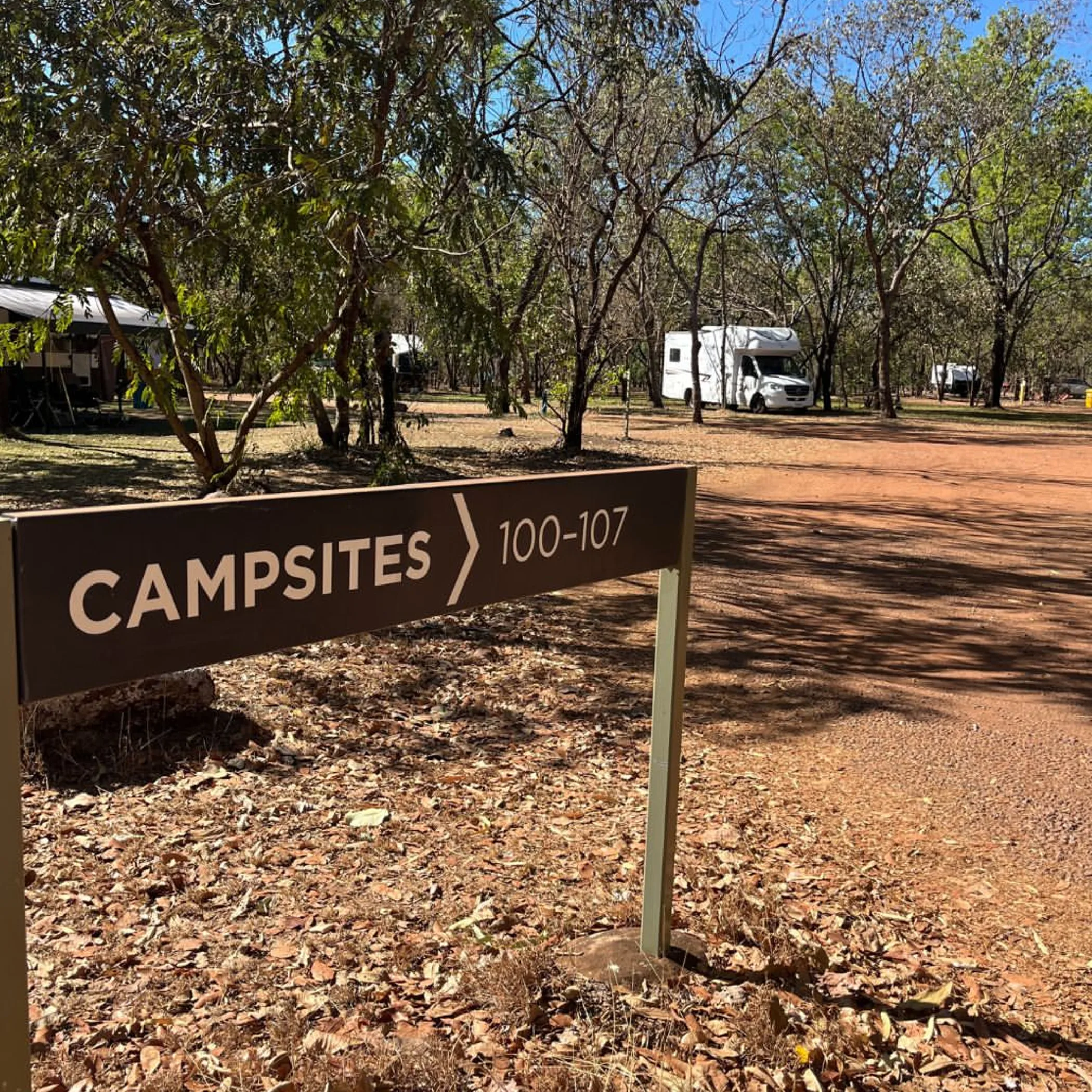
First time visitors can get muddled by the fact that not all camping is done in the same fashion here. You have to come to terms with the difference between a managed and unmanaged site before you can make up your mind on whether price, location or a bit of quiet in the bush is what you are after. One of the things you will be asked is about free camping in Kakadu. The answer in brief is do not make the mistake of thinking any spot you can pull into is a campsite. Unofficial camping is a recipe for trouble, both safety-wise and for the environment; there are rules and proper places to put up a tent in Kakadu.
Options: Managed, Unmanaged or Bush
For the most part, a managed campground will have superior facilities and a more orderly site. You will find toilets, perhaps hot showers and no difficulty with an everyday vehicle. First-timers tend to like Yellow Water Campground or the one at Kakadu Lodge for that reason; when you get in off the road and are tired, you will not be cursing your decision.
Unmanaged sites are of a more basic nature, with pit toilets and a simple clearing. Some have an honesty box and are first come first served. That has its appeal until you show up late in the dry season to find all the good spots taken by others who thought the same.
Then there are the remote bush camps, fine for some quiet but not where a beginner should be if he has not been self-sufficient in the Top End previously. Out in the bush the photos do not tell you how much it matters to have shade and water and what the roads and distance to fuel are like.
Where to put down roots
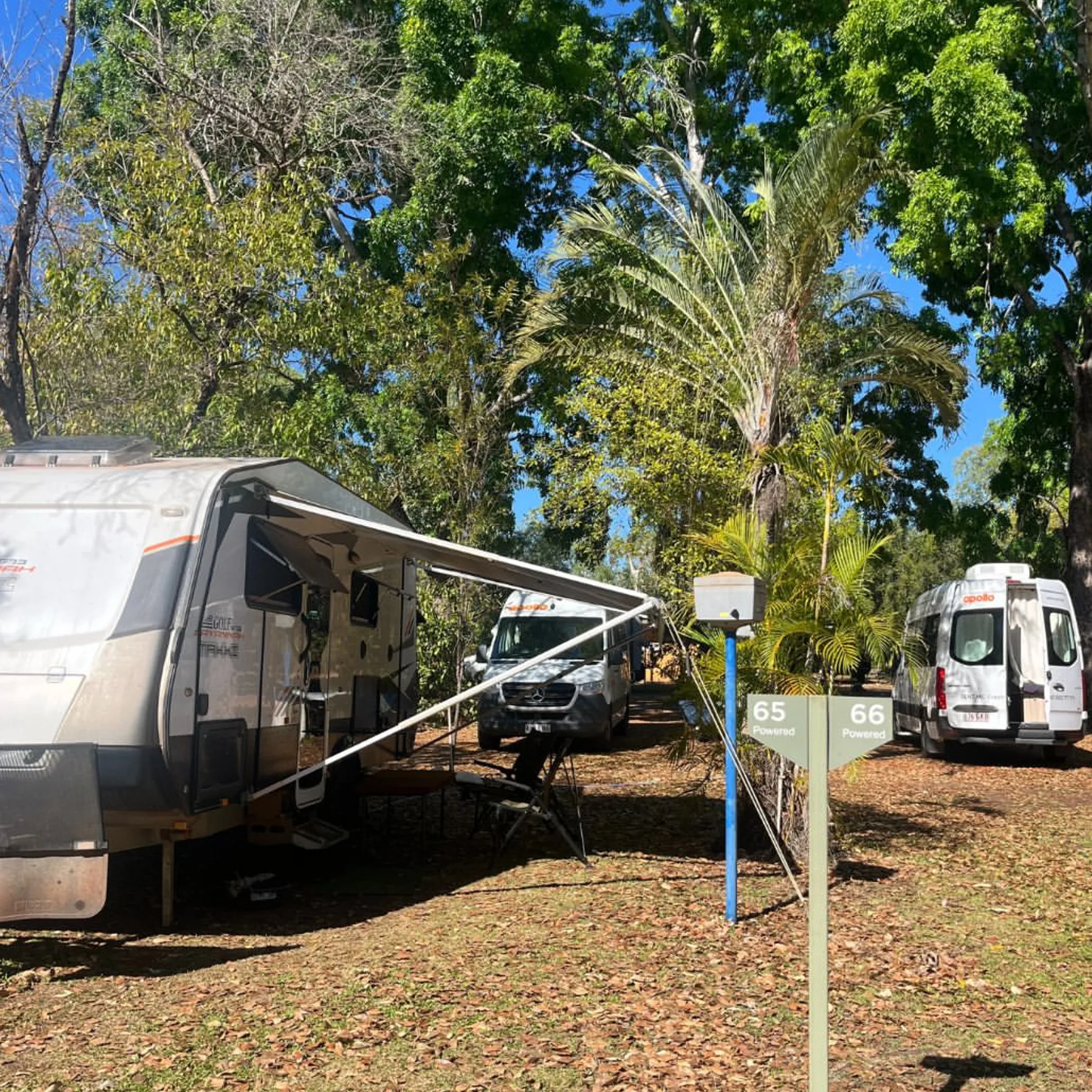
Your choice of Kakadu campground will be dictated by your vehicle, how much roughing it you are willing to put up with and whether a dawn birdsong or a real shower after the day is done is more important. This is the practical side of things, not what you see in a brochure.
It is better to pick a couple of sensible bases than to be on the move every night. The distances in Kakadu are considerable and packing up becomes tiresome in short order, particularly once the morning has warmed up and the mozzies are making themselves at home.
| Campground | Best For | Access | Typical Facilities | Things To Know |
| Yellow Water Campground | Travellers in want of some comfort close to Cooinda | 2WD in normal open conditions | Toilets, hot showers, fuel station and other services at Cooinda | A good place for families and first-timers to base themselves in the Yellow Water area |
| Kakadu Lodge | Powered sites in the Jabiru vicinity | 2WD | Tourist park style facilities and showers | Hard to beat if you would rather not have to guess |
| Merl Campground Kakadu | Visitors to the East Alligator and Ubirr | 2WD in open conditions | Bush setting, toilets, a basic campground | Favourite for getting to Ubirr at sunrise or sunset |
| Gunlom Campground | Those after something more remote | Seasonal road access; check on it | Basic campground near a major attraction | Closures and distance can be a surprise; don’t go here if you are in a hurry |
| Mardukal | A quieter stop for the birdwatcher | Dry season is easier as a rule | Pit toilets, basic bush campground | Atmosphere is what you get, not creature comforts |
| Djarradjin (Muirella Park) | The budget camper, a simple overnight | 2WD in open conditions | Toilets, basic campground | No fuss about it, just plain and simple |
Making a selection
Yellow Water is an all-rounder. Its proximity to Cooinda for food, tours and fuel is an advantage people will not tell you about, and after a hot day it is as good as luxury.
If Ubirr is to be had, Merl is a sound option. The setting is convenient and of the bush variety you came for, provided you do not expect to be pampered.
A flexible traveller will do well at Gunlom, so long as he has checked access. When it is open it is a fine place to be, but reality can be at odds with what the map shows.
Caravan owners and those new to the Top End will find Kakadu Lodge the easiest proposition. There is no need for it to be a wild affair every night; a dependable camp kitchen and a decent shower are sometimes the way to go.
Roads
You think the distances in Kakadu are fine until you put in the time for wildlife, photo opportunities and corrugations. 2WD or 4WD is not a minor point, it will determine your itinerary. Do not be under the impression that drive times are as they are on sealed roads in other parts of Australia; in Kakadu a route that appears short will still take the best part of the day.
2WD Or 4WD
When the roads are open, 2WD will see you through the better known haunts around Cooinda, Ubirr, Bowali Visitor Centre and Jabiru without issue. For a caravan or a short trip it is the sensible thing to do.
Some of the more out of the way attractions and roads to campgrounds in Kakadu will demand a 4WD with the right credentials, especially in the shoulder of the wet or when it has been raining. You will find this is as true of Jim Jim Falls as anywhere. And a route being open does not mean it will be an easy drive for those without experience; expect slow going.
If you are towing, be stricter with your planning than you think you need to be. Corrugated roads, dust, heat and long distances from services make “she’ll be right” a poor strategy.
Route Planning
Most visitors enter via the Arnhem Highway after linking from the Stuart Highway. Jabiru is a sensible service point, while Cooinda is an important hub further south for fuel and visitor logistics. Bowali Visitor Centre is worth using properly, not just dashing past for a toilet stop, because staff can help clarify what is actually open.
Your Kakadu camping map ought to be a practical document with overnight stops and any must-see attractions noted down, along with fuel and visitor centres. I put in a backup campground as well. When a day’s driving has run longer than you thought and a site is too busy or exposed, that habit has its uses.
Fees, Rules and Facilities
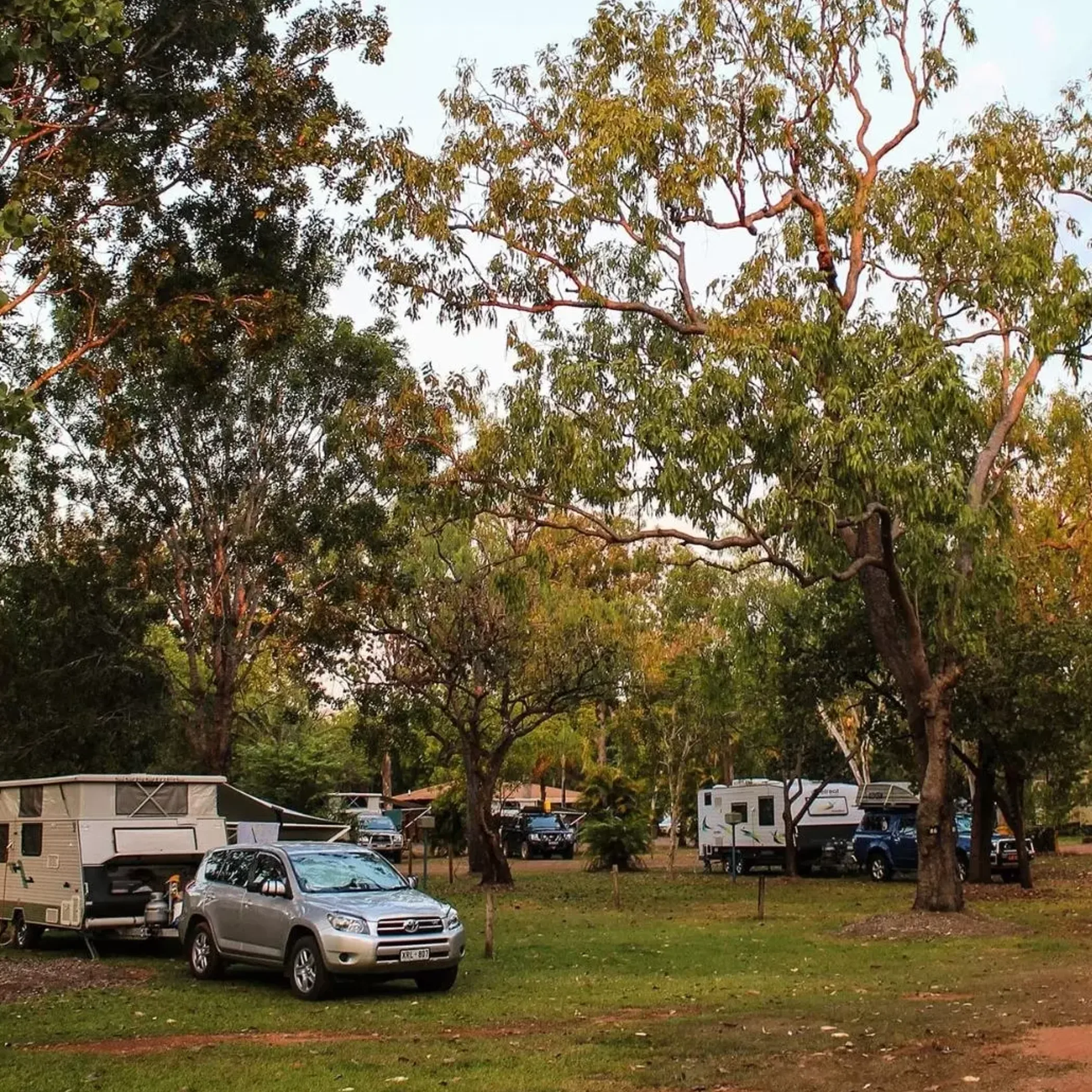
Proper planning avoids friction here. One Kakadu campground is quite comfortable, another is very bare bones and you will be chagrined after dark to discover there is no shower or drinking water and certainly no shop for what you have overlooked.
As for fees and booking, some are bookable and orderly, others an honesty box or first come first served affair. Check on the arrangements before you go.
What You’ll Usually Find
Managed campgrounds may offer hot showers, flushing toilets, powered sites and easier parking. Kakadu Lodge and Yellow Water Campground are often the better fit if these features are important to you.
Basic sites may only have pit toilets and a cleared area. Bring enough water, lighting and whatever small comforts matter to you. The thing that catches people out most often is assuming there will be drinking water or fuel at every stop. There won’t be.
Cost expectations vary by campground type, but budget for park entry where relevant, camping fees, fuel, ice, and at least one contingency spend if plans change. In remote touring, last-minute changes are common enough that they should be considered part of the budget, not bad luck.
Pack Accordingly
There is nothing glamorous about good advice for camping in Kakadu. Pack for the reality of it: insects, the dust, the heat and what little services there are, not for some fantasy of a shady campground and a tinnie to hand at sunset. I would rather have an overstuffed food tub and more water than I need than put in half a day backtracking for the essentials in northern Australia. Kakadu is forgiving of sensible overpreparedness.
Take on extra water for the hot days and any delay.
Do not put off refuelling; you do not want to be casual about the services at Cooinda or in the Jabiru area.
Have a torch or headlamp for after dark, long sleeves for the evening and insect repellent that works.
Put together a first aid kit with a snake bite bandage, some spare batteries and sun protection.
And take your rubbish with you, do not expect to put your hands on firewood at each stop.
For caravan and trailer users, have spare tyres and be realistic about rough access.
Things Beginners Overlook
They will pack the larder but not think of comfort. Airflow, shade and some order to the camp are all very important in Kakadu, otherwise an extraordinary location can be a misery.
Then there is the error of making an arrival too late. Daylight is kinder in the dry and makes for an easier setup, and you are less inclined to be flustered by a busy site or one that is not to your liking.
Croc-Wise
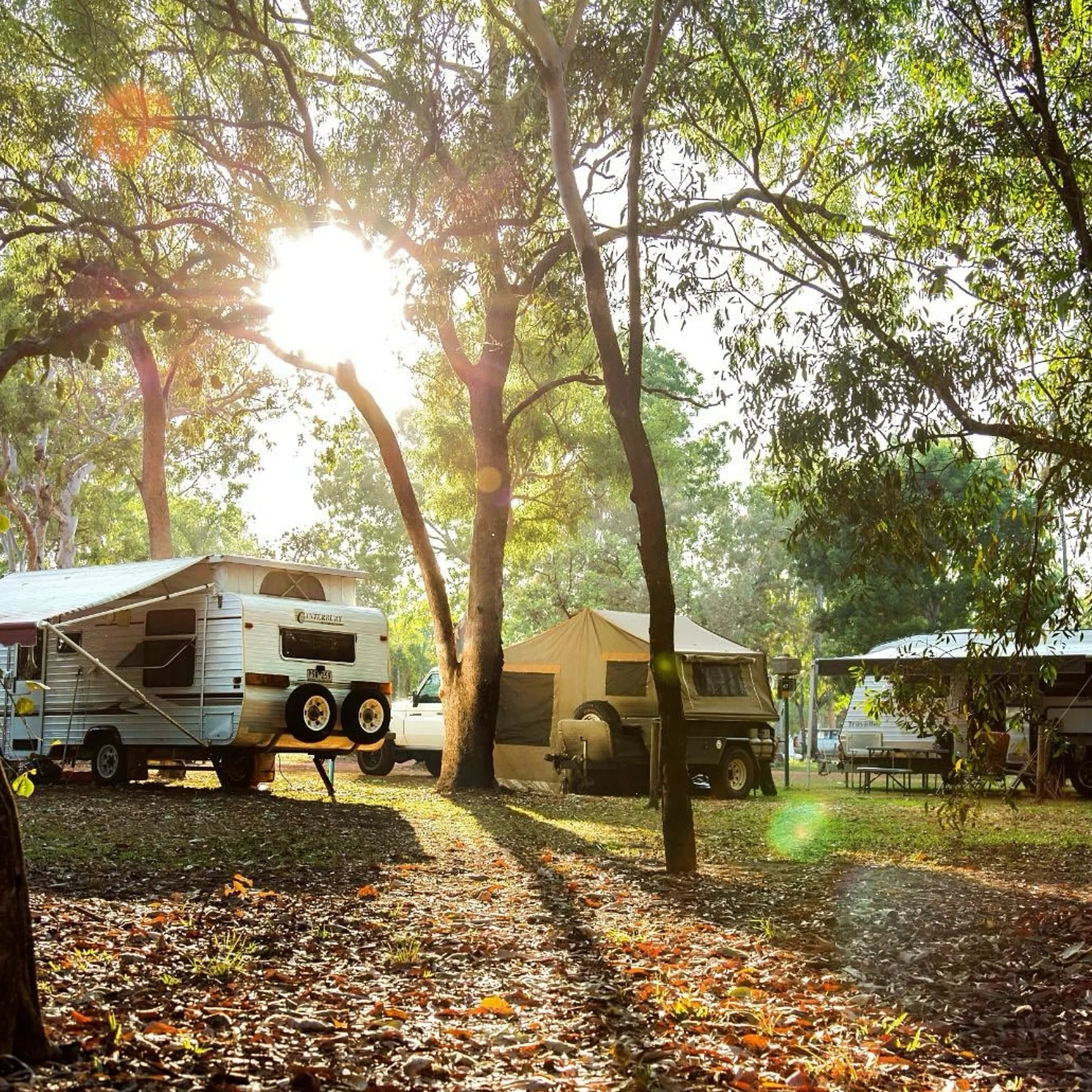
Kakadu is magnificent but warnings are not to be brushed aside. Crocodile safety is no tourist theatre, nor are the vagaries of storm, flood, bushfire or the heat.
If a sign puts you off swimming, let the matter rest there. There are parks where you would do well to listen and heed the advice, Kakadu being one of them; it is what will see your visit remain just that and not make the news.
Respect The Risks
You will find estuarine crocodiles in the waterways of Kakadu and the season can alter conditions. A spot may seem shallow or inviting but be no place to be. Heed any warnings posted at the water’s edge, on the banks or by the boat ramps, be it at a billabong or an access point like Red Lily Billabong and Two Mile Hole.
Then there is the heat, an unappreciated danger as temperatures get up later in the dry. Make an early start on your walks and put in some rest at midday. Dehydration has a way of coming on fast after a night that fails to cool off.
Fire is something to consider too. Rules for campfires are subject to change and seasonal burns might close off areas. Stick to what is permitted and watch for any word from the park authorities.
Planning Your Trip
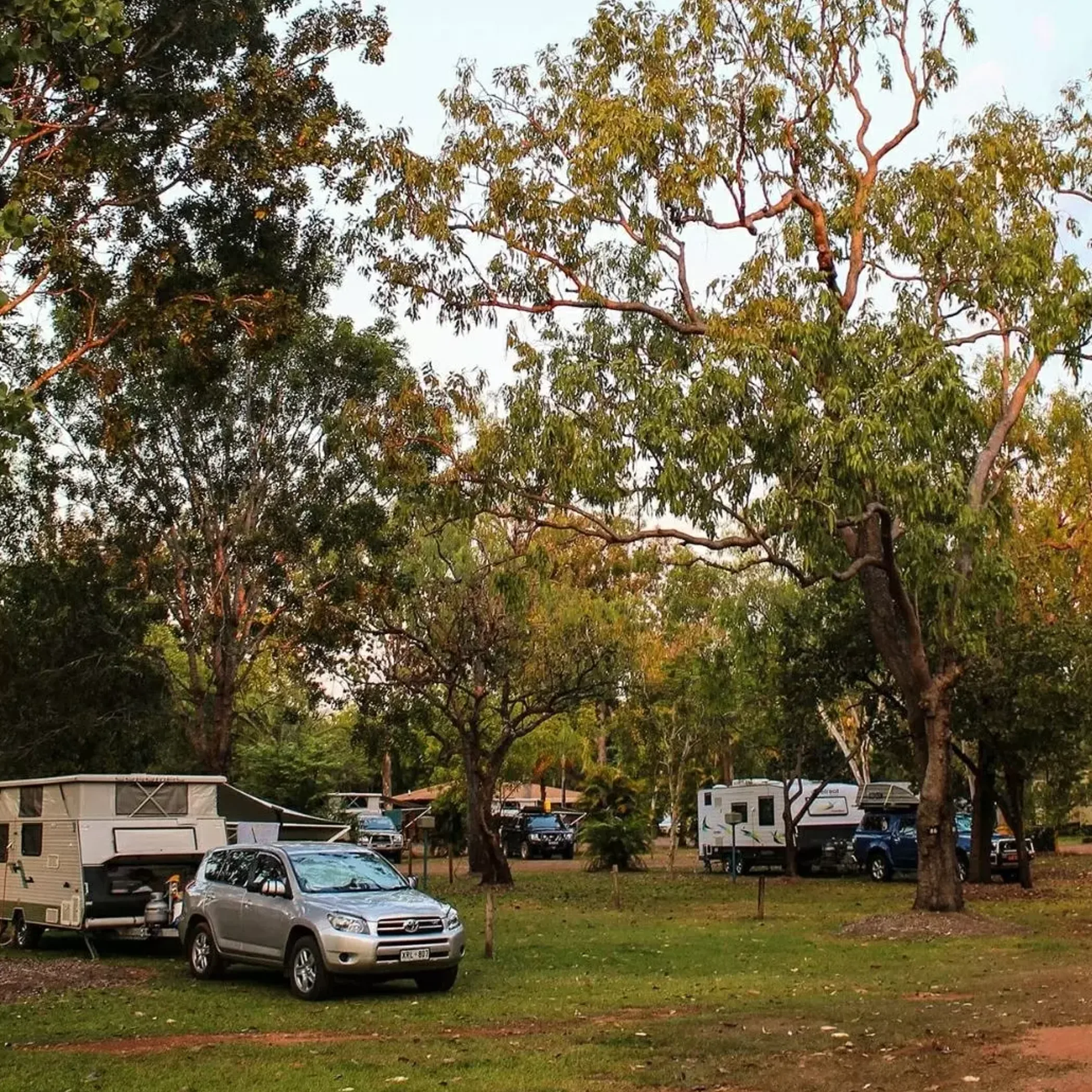
Keep things realistic with a short itinerary. You can have a fine camping trip in Kakadu without making a point of visiting every art site, waterfall and lookout. As a rule, attempting such a thing results in more driving than enjoyment.
Make for a serviceable base and if the mood and conditions are right, an atmospheric bush campground to go with it. It adds character to the trip without the hassle. Those in a 2WD or who are not familiar with Kakadu should put down near Cooinda or Jabiru.
Ubirr is to be had with a more old fashioned bush-camping experience at Merl. Leave Gunlom and the like for when vehicle, timing and road are all in agreement.
An Honest Word
The billy boils down to a single precept: do it properly and do less. With the right fuel and water and a sensible amount of time behind the wheel, a placid plan at a good Kakadu campground will put an overstuffed one to shame.
Some Answers To Common Questions
People have the same queries when they set about planning a Camping in Kakadu National Park. Here is the practical side of things in brief.
What is the best place to put up a tent?
Yellow Water Campground is the all-round pick for most, putting you in comfort with services and location close to Cooinda. For a tourist-park arrangement and powered sites, Kakadu Lodge is preferable. Merl is a solid bet for those wanting something of the bush near Ubirr.
And what of ghost camping?
It is when a site is taken up on paper by someone who does not put it to proper use, denying others. In peak times it is a nuisance, sites looking full when they are not.
Is alcohol allowed in the park?
Do not think bottle-shop rules are universal here; local restrictions and NT regulations come into play. See what the current Northern Territory and local rules are before you head out, particularly in restricted zones or communities.
Jim Jim Falls is shut, why?
Be it flooding, a creek crossing that is no longer safe, or a management call to protect visitors, the falls will be closed. It is a case in point as to why one pays attention to shoulder-season access and wet season closures in Kakadu.
Can I free camp?
Not anywhere in the park. There are environmental and safety concerns with a random roadside pitch and it is against the rules. Go with the official guidance and a designated campground.
From Adelaide
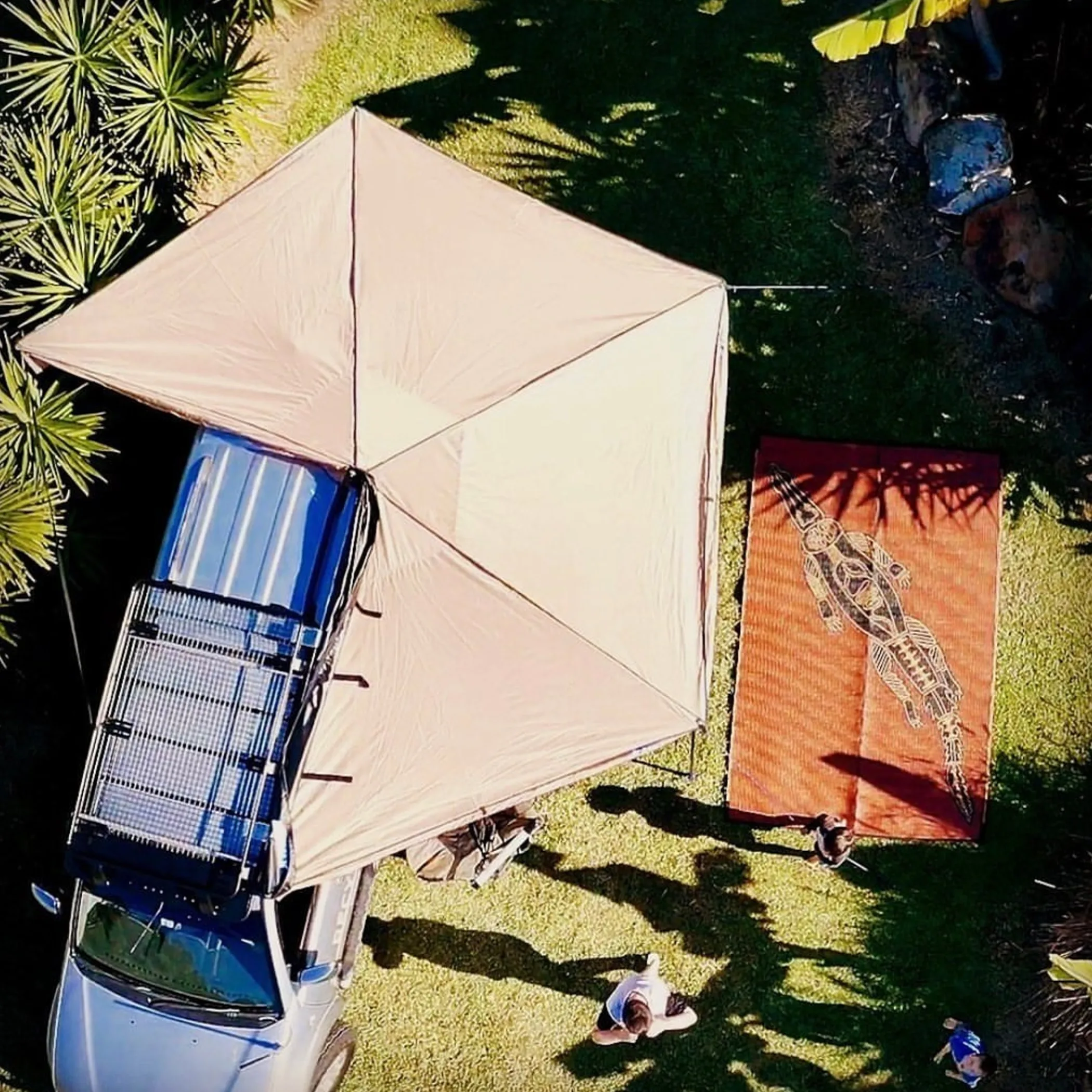
In my view, you should approach a Kakadu camping trip as you would any in a remote area, not as a weekend in a park with better views. Be guided by your vehicle and what you are comfortable with and allow the Top End to be itself.
For a trouble free first time, a managed base at Jabiru or Cooinda is the way to go. Get the latest from Bowali Visitor Centre and only venture to the more distant bush camps when you and the conditions are ready. You will have the quiet, the scale and the wildlife to show for it, and none of the aggravation of errors that could have been avoided.
