One will find that autumn or spring are typically the best seasons to put a tattoo on in Australia; the milder temperatures make sweat less of an issue and there is less chance of the summer sun getting in the way of healing. Southern cities see their most agreeable conditions from April through May and again in September and October. Head to tropical Australia and the dry season is generally preferable. As for the Pilbara and the Red Centre, the cooler months are more practical by far than when it is at its hottest.
But you will not find one month that is perfect in a country of this size. A new tattoo requires 14–28 days of sensible shielding from friction, dust, soaking and too much sweat before it is healed, though the skin and the tattoo’s size and where it is placed will dictate that. Adelaide Crowe has done the work of comparing the climates so that one can book with some sense and avoid the “why is my new piece adhering to my shirt?” scenario.
Put Comfort Before the Calendar
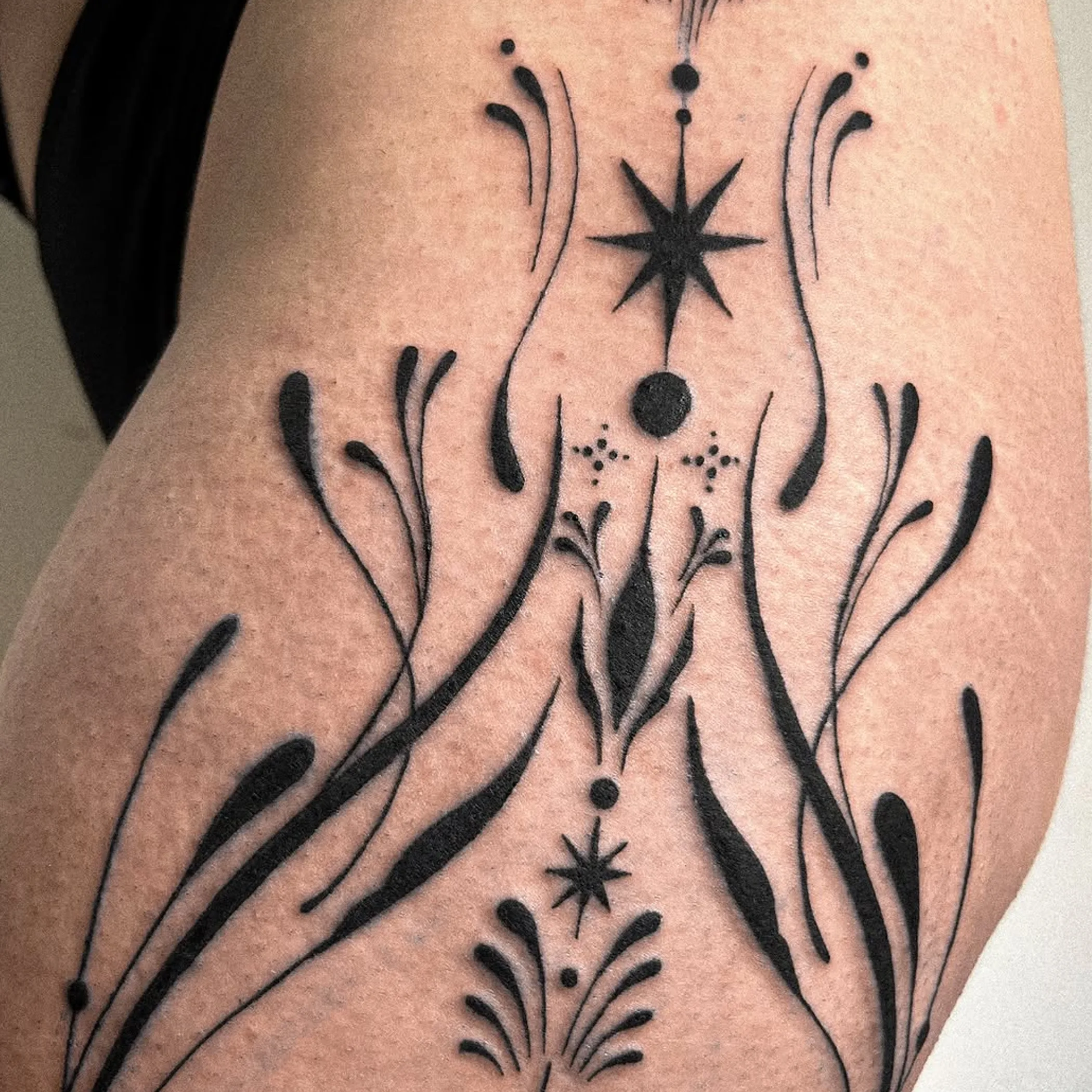
It is healing skin you have, not a sticker for your keepsake box, which is why the season is of consequence. For seasonal tattoo aftercare insights, you want to be able to keep the site covered from the direct sun but not overheat, and to follow your artist in keeping it lightly moisturised and clean and dry as required.
Do not just look at the day of the appointment when making a booking, but the entire span of the healing process. The Bureau of Meteorology has the data to put seasonal patterns in perspective and a short-range forecast will put any heatwaves or unseasonal humidity in front of you.
The Case for Autumn
In Hobart, Canberra, Sydney, Melbourne and Adelaide, and most of regional south, autumn is hard to beat. The days are more tolerable than in summer, the evenings do not have the same stickiness to them and there are not as many outdoor festivals or beach excursions to put at odds with aftercare.
Then again, autumn can be fickle. Just because the morning is cool does not mean the UV is gone, and a warm weekend will still present the usual exposure to sun, dust and perspiration. Have a loose, clean layer to hand and do not let the chill in the air be an excuse to put the tattoo up against a woolly jumper.
Spring is Also Viable
If the aim is to have a tattoo done and dusted prior to a holiday or the onset of beach weather, spring provides the right sort of comfort. It is no good if the wind and rain of spring get in the way, however. On an exposed arm or leg in some southern climes the pollen and dry wind of the season can be aggravating to sensitive skin. For the first few days, stay clear of dusty paths, the garden and any dogs that are overly keen.
A Look at the Different Climates
From the Top End to the north-west and the inland, the pattern is quite different to what you would see in the southern cities. What is a nice cool day in Melbourne is hot and humid in Darwin; in Alice Springs a winter night can be cold enough to make loose clothes a necessity.
Region
Most Practical Window
Climate Advantage
What to Watch For
| Region | Most Practical Window | Climate Advantage | What to Watch For |
|---|---|---|---|
| Adelaide, Melbourne, Sydney and Canberra | Autumn or spring | Temperatures are milder, no protracted summer heat | Wind, rain and strong sun can come on quickly |
| Hobart and Tasmania | Late spring to early autumn | You can layer up easily and there is less of a cold | Wet and cool, heavy clothing may rub |
| Darwin and the Top End | Dry season | Heavy rain and humidity are down | Seasonal change can mean sudden storms, sun and heat |
| Broome, Kununurra and the Kimberley | Dry season | Fewer rain disruptions and access is more predictable | Remote travel, swimming and the odd bit of dust and heat |
| Alice Springs and the Red Centre | Autumn, winter or spring | Daytime is not as hot as in summer | Long distances, dust, dry air and cold at night |
| Perth and south-west WA | Autumn or spring | Before the summer really gets going | Northerly winds and the odd bushfire closure |
The table is to be used as a guide, not a prophecy. Local weather has a way of disregarding the calendar, so verify conditions ahead of time. Take the 14–28 day figure for initial healing as a planning statistic; it is not to say a tattoo is completely settled at 14 days, but it puts in perspective why a long weekend is not the full picture. There is a chance the event will coincide with the most delicate phase if one has put in a booking for a camping excursion, a swimming holiday or some hard physical labour.
Heat, Sweat And Sun: How to Cope
One does not have to eschew summer but it is more of a test of discipline. Long hours in the open, tight clothes and putting on sunscreen too soon can be an impediment to aftercare as can perspiration. A new tattoo puts the kibosh on any notion of spontaneity; let the beach wait, it was there before you were.
Discomfort is greatest from the heat when the tattoo is chafed by a work uniform, boot, waistband or the strap of a watch or bra. So make your studio appointment for a time of quiet, not right before you are off on the Stuart Highway with a car full of things and not a clean shirt to change into.
In Practice, The Risks Of Summer
The waterproof dressing is not a standing invitation to bask in the sun, swim or break a sweat, yet many people see it that way. As to washing, moisturising and the dressing, defer to the artist since his or her methods and products may be particular.
Friction is more likely in summer. You will find loose, breathable attire preferable to synthetics or denim which trap heat against the skin and compression wear. Nor should one be applying some household remedy or thick cream just because a fellow at the pub vouches for it.
Then There Is Winter
In southern Australia winter is fine for keeping the tattoo from the sun. But the cold will have you in heavy layers, under hot showers and indoor heating, tending to rub or dry out the area.
Keep a fresh piece of ink away from damp clothes, rough wool and thermals. If the job calls for outdoor work, machinery or a lot of kneeling in the mud, do not think winter will make it easy and book accordingly.
Swimming, Travel And Such
It makes no difference what season it is when your schedule is full of spa days, surfing, remote camping and the like. Do not submerge until the tattoo is healed and the artist gives the all clear for water. A shower is less trouble than a bath or pool or ocean where the soaking and shared water are issues.
Travel throws a spanner in the works. Make regular stops on a long drive, have some clean clothes and ensure the tattoo is not being pressed to a soiled seatbelt or luggage. In the Top End the wet season can be an issue for access and roads, and cyclone alerts are common from November through April. A healing tattoo is not suited to the dust, rough going and lack of services on the Gibb River Road.
A Matter Of Logistics
Go to a studio of good repute where you know the hygiene is sound and can make sense of the aftercare. Put in a call ahead of time to enquire on session length, deposits, payment and whether there is parking or public transport.
Public transport is fine for a city visit provided the tattoo is on an arm or leg and you can get home in comfort. Should the placement be awkward, take a taxi or rideshare. One would not want to ride a motorbike back with a new tattoo exposed to the road dust and heat of one’s gear.
Out in the regions, have your fuel, food and a plan for the return before you set out. You do not want a trip to end up as an emergency run for the chemist in a town where the dunny has better signage than the shops.
Suit Yourself To The Season
What is best is dictated by your tolerance for inconvenience, the state of your skin and your plans. Someone in Adelaide working from home will have an easier time of a summer tattoo than a roof plumber, personal trainer or a traveller making for the bush.
Put the artist in the picture on any medications, allergies or conditions. Are you unwell, peeling or with broken skin where the tattoo is to go? Then put off the day and take the studio’s advice.
For A Single Day
Make it a small to medium tattoo and pick a comfortable season, leaving the next couple of days unencumbered. Pick a spot that is not going to be rubbed by your footwear, seatbelt or work clothes.
- Get to the studio without the need to rush.
- Dress in something clean and roomy.
- Have a phone charger, water and a spare layer with you.
- Leave the gym, swimming and dusty work for another day.
- And be sure you have the aftercare instructions from the studio before you go.
Who Should Wait
An appointment is best put off when the healing period is likely to coincide with a trip to the beach, some long-haul travel, a multi-day hike or any contact sport and heavy manual labour. For those prone to a strong reaction from heat, sweat or the adhesive in dressings, it is prudent to talk to the artist ahead of time about what options are available and how to time things.
One should be particularly circumspect with remote travel. A foray into the Red Centre, the Pilbara or over the Nullarbor means you may not have ready access to clean facilities or medical care. You would not cancel a holiday on account of a tattoo, but it is no excuse to take on risk that can be avoided.
Expectation Versus Reality
You might think winter is free of sun. In fact, ultraviolet radiation will find your exposed skin on a cool day and reflective concrete, pale sand or water make no allowances for your shivering. Or the assumption is that a dry climate is always less trouble; the air will be drier and there is less sweat, but it can put a tightness in the skin and dust has a way of getting on everything. As for the tropical dry season being cool, it is more tolerable than the wet season, but do not expect anything like a southern cold.
I made the error of underestimating the mundane: the sunny walk home, a rubbing waistband and the urge to have a look at the tattoo every ten minutes. The appointment itself was straightforward, but the aftercare, unexciting as it is, called for some forethought.
A Practical Booking Checklist
There is value in these seasonal aftercare tips whether you are having fine line work done in Adelaide, something more substantial in Melbourne or putting in a design while in northern Australia. Proper planning for the season is a matter of nipping small irritations in the bud before they turn into a problem for your skin.
- Review the forecast for the 14 to 28 days of healing.
- See that the studio has its hygiene and aftercare procedures well in evidence.
- Have clothing, transport and somewhere clean to put in after the session all sorted.
- Put swimming, tanning, dusty work and strenuous exercise on hold for the immediate future.
- Find out from the artist at what point redness, discharge or swelling warrants a doctor’s attention.
Autumn is the most sensible course in much of the south, spring not far behind. In the Kimberley and the rest of the tropics one would opt for the dry season. Inland Australia calls for avoiding the worst of the heat and making plans for the cold nights, the aridity and the distances.
Make The Season Work
Chasing a perfect date is not as important as sensible travel plans and aftercare and wearing the right clothes. Pick the season where you can shield the tattoo without upending your life. Book for a time you can allow a quiet first week and a decent healing window afterwards. It is something your future self will be grateful for and it spares the tattoo from having to contend with a mozzie, a road train or the shower at a dubious campground.
Common Questions On Timing
Is Winter The Best Season For A Tattoo?
In the south of Australia it is practical enough, with less heat and a good deal less swimming. But it is not by default the best. Friction, hot showers and the dry air indoors can be an irritation even with the heavier clothing, so stick to clean, loose layers.
Can I Get A Tattoo In Summer?
You can, with some care in the planning. Put off direct sun and tight clothes, and if you have a beach holiday in the offing or an outdoor job, you may find another season suits better.
Is Autumn Better Than Spring?
As a rule, yes. Adelaide and other southern cities see comfortable temperatures in autumn once summer is done. Spring will do as well provided the weather is settled and you can stay away from the wind and rain and pollen.
How Long Should I Avoid Swimming?
Until the artist says it is alright. Do not be taken in by a dry looking tattoo and think a dam, spa or the ocean is safe. Soaking does a number on healing skin and there is the contamination risk of shared water.
Should I Travel After Getting Inked?
A short, easy journey is one thing. But do not book a fresh tattoo and then set off for a remote campsite, a long flight or a few days in the bush on foot. Make sure you have clean clothes and water and a place to rest and, should the tattoo become painful or show signs of infection, professional advice is within reach.
