Five items are what you need for an Uluru desert trip: your walking shoes in good order, some form of sun protection, warm layers to see you through dawn and night, a torch and fly net among other desert oddities, and more water than you would care to admit. Put those in place and your packing list is no trouble at all; it also means you will not be left dehydrated, covered in dust and sunburn, or put out with the cost of last minute basics. To fully enjoy your trip, consider visiting during the ideal season for Uluru.
I am Adelaide Crowe and I can tell you the Red Centre is where people make their misjudgements. They have a vision of red dirt and postcard sunsets and the heat, and so they should, yet the cold of the morning, dry air, long distances and flies that will have you at the end of your tether before you have had your breakfast get overlooked. This is my guide to what to wear and pack for three days in Uluru, along with the transport and safety information and the kind of things one wishes were put in front of them sooner.
A Quick Summary
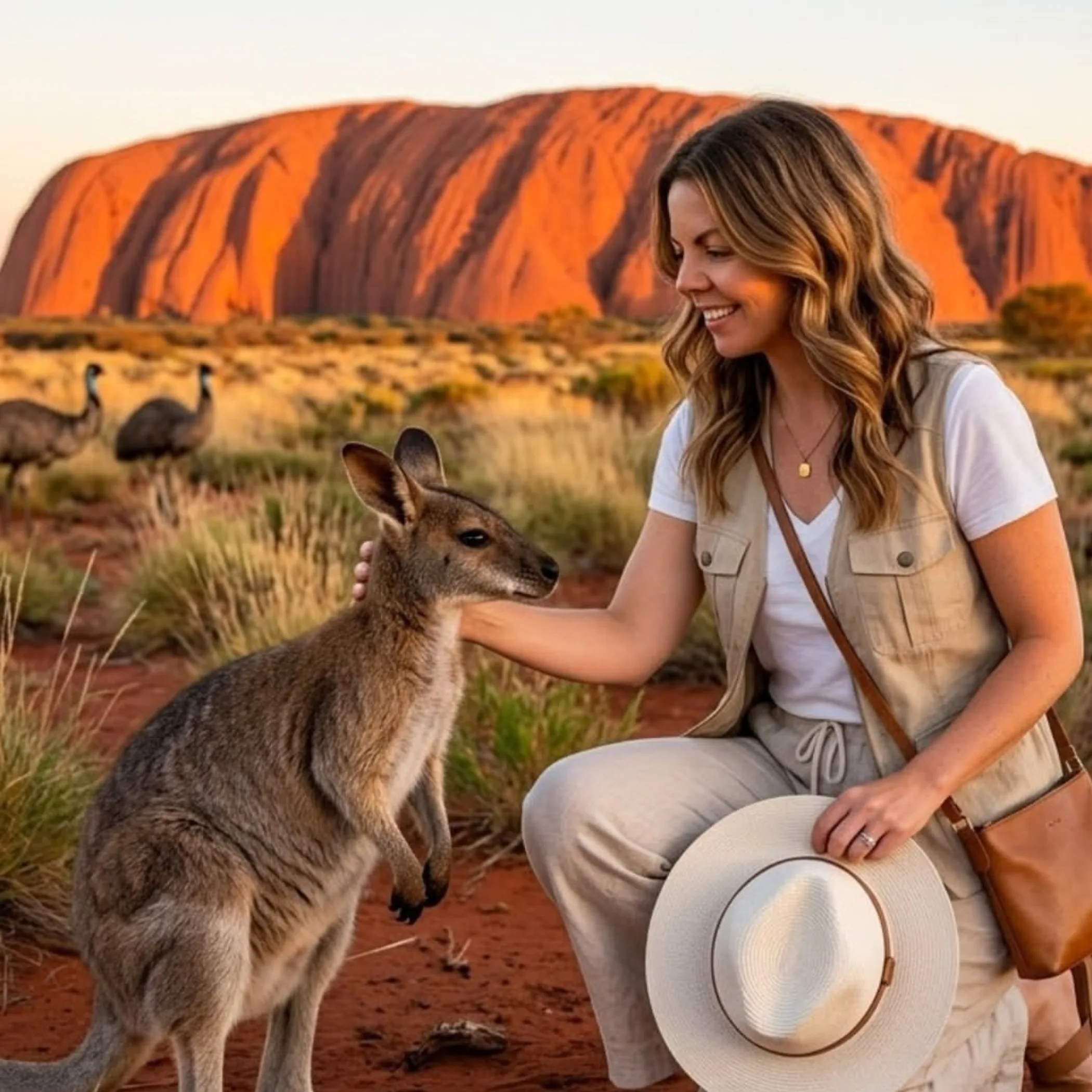
For those who want the short of it before wading into the particulars: be smart about it and do not overdo it. Uluru is not the place for a fashion statement, utility has it over looks here and a hat you have left behind will put a stop to a walk quicker than any motel pillow could.
Uluru daypack essentials are not complicated. Take a light layer, your phone and power bank, some snacks and sunglasses, a headlamp or torch, SPF 50+ sunscreen and lip balm and a bottle of water you can use again. In the warmer months a mesh fly net is worth having on hand, you will be glad of it when the first bus makes its way to the car park.
A hat with plenty of coverage, wide brimmed or Akubra
Sunscreen and lip balm (SPF 50+)
Water bottle and electrolytes
Socks and walking shoes of a sturdy nature
Long pants and a loose top that breathes
Layers to cope with the chill of evening and morning
Fly net
Torch or headlamp for after dark or for sunrise/sunset
Any personal medications and a first-aid kit to hand
A small daypack for the walks in Uluru-Kata Tjuta National Park
Do Not Pack For The Pictures
There is a tendency to overpack the wrong sort of thing at Uluru. My advice would be to forgo the “just in case” dress and half your skincare routine and put in practical gear suited to the dust and the strong sun.
You may think one floaty outfit and a hat is enough, but then there is the reality of it: red dust on everything, a sweaty back, the odd freezing start to the day in certain months and far more time on your feet outdoors than most travellers allow for.
Where People Go Wrong
To assume that hot days translate to hot conditions all round is the error of the moment. Out in the Red Centre you can be genuinely cold in the morning, particularly if you are up before the sun for the Field of Light or a base walk. Winter packing for Uluru is about layers, not bulk.
Then there is the matter of underestimating how dry it is. You will not be drenched as in the Top End wet season but fluid loss is steady. The desert air has a mildness to it, with a breeze or not, and dehydration will take you by surprise.
Daypack Essentials
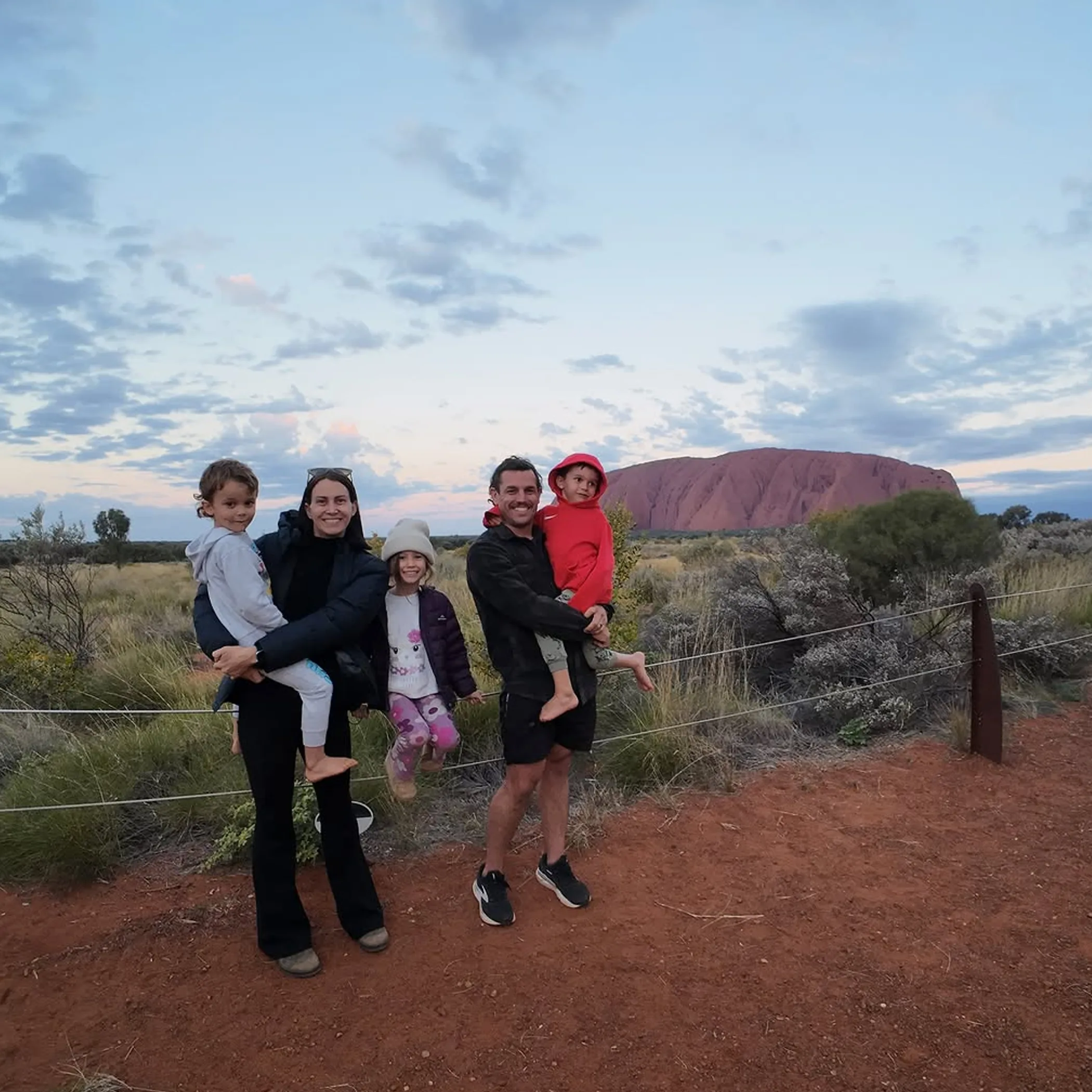
Once you are in Uluru-Kata Tjuta National Park your daypack is of more consequence than the suitcase. It is not a question of lugging your life around but of having the means to forestall a problem.
You can put off the heavier stuff in your room or vehicle since the viewing areas and walks are a road away from the Ayers Rock Resort or your tour. But I would pack for the delays and dust as well as the heat because that is what you find out here.
Every Day Carry
Two reusable water bottles if you are a big drinker, one is the minimum. On a longer walk or with children in tow, or in the height of the heat, plain water does not cut it, so add some electrolytes.
And a headlamp or torch. It seems like much ado until you are making your way back from something in the evening or to a pre-dawn pickup in the dark of the car park. There is a certain convenience to it when you are in the dark of a poorly lit exterior and do not want to be wading in red dust to find your room key.
Clothes For The Job
Forget style at Uluru, give some thought to comfort, coverage and the fabric itself. A lightweight, breathable garment that puts something between you and the sun is of more use than a pair of shorts and a skimpy top if you intend to put in some walking at Uluru or make for Kata Tjuta when the day is at its height.
Adelaide Crowe was taught by experience that one dresses for the desert to keep cool and out of the sun. Long sleeves may seem like an oddity until you have roasted your shoulders for an afternoon and are left with a case of sunburn to go to bed with. It is a lesson you will only need to take once.
Calm Colours And Layers
For a winter trip or sunrise tour you will want light layers to see you through the cold of the morning. A compact jacket over a T-shirt, jumper or long-sleeved overshirt and a fleece is generally fine. Then you can shed them as things warm up instead of shivering at breakfast and thinking of the layer you should have brought.
Stick to neutral or darker shades; pale fabrics have a way of holding on to the red dust stains. Soft beige, rust, olive, navy or charcoal will conceal the desert dust where a bit of crisp white linen would show it all off. In theory lovely, in practice it is rough work. You do not have to look like you were plucked from a bushwalker’s catalogue.
After Dark At Field Of Light
When it comes to what to put on for Field of Light, factor in the uneven ground and low light of the evening. A sensible person will opt for closed shoes and an outer layer of warmth, and clothes that are not going to be ruined by a dusty path.
You will see some arrive in city dinner attire and be left cold and cross for the rest of the night. It is an experience to be had but this is the open desert, not some carpeted gallery indoors. A beanie or scarf comes in useful in the cooler months.
Footwear You Can Trust
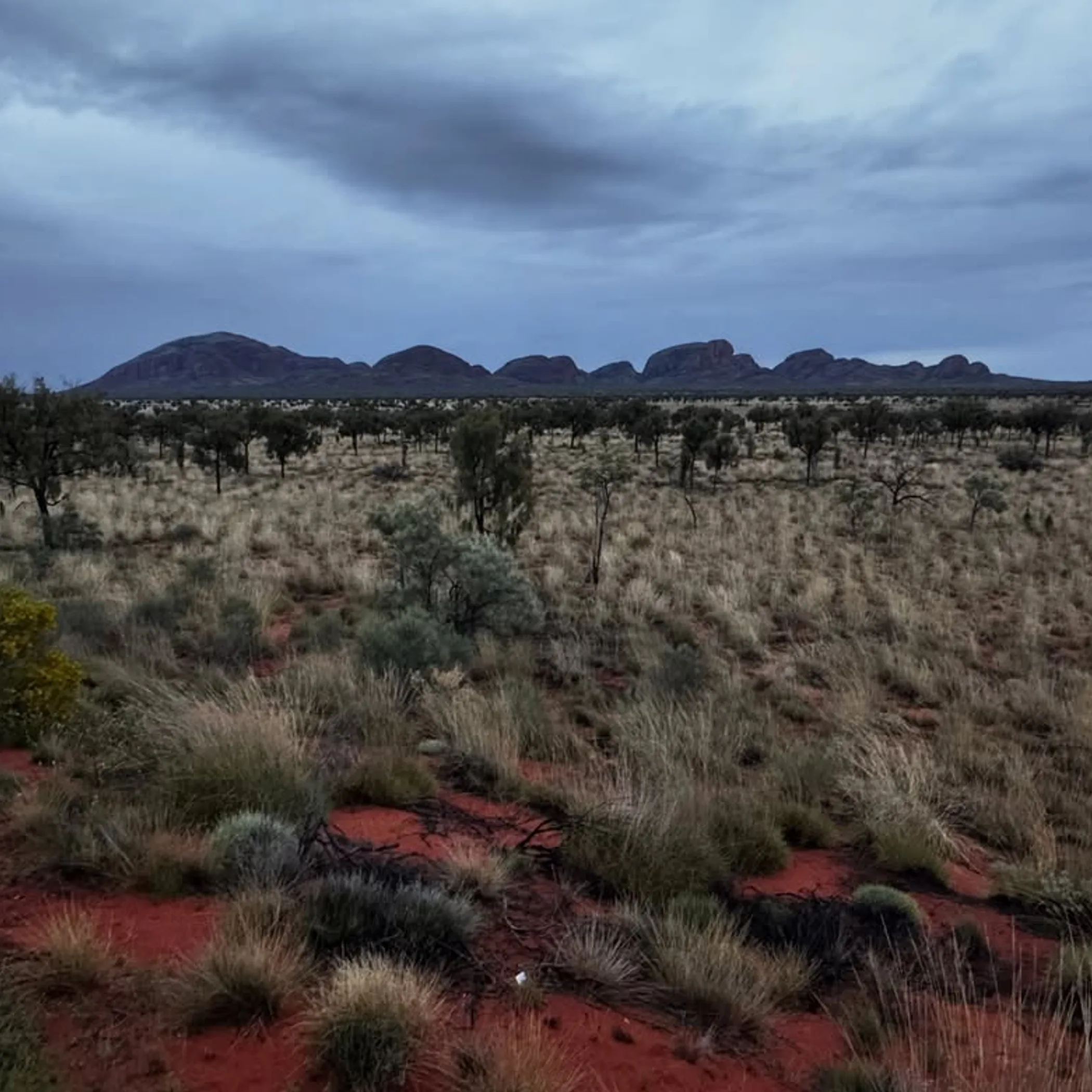
Uluru and Kata Tjuta are no place for mountaineering but they do call for a good walking shoe with the support and grip to handle the heat and the odd stretch of track. If your footwear has a habit of rubbing or letting in grit, every kilometre will tell on you.
Crowe does not get hung up on brands. Trail runners or hiking shoes are fine, so long as they are well broken in and have been put through their paces in a test walk or two prior to the trip. Grip and comfort are what count.
Sandals, Socks And The Like
Walking shoes are your main event. Have some sandals or slides in the bag for a quick run to dinner or the pool but do not put flimsy soles to the test on hot ground at the major sights; the fine dust will find its way in and you will be miserable in short order.
Socks are an oversight some make. A decent pair keeps the rubbing down and helps with the temperature on a brisk morning. Travelling light for three days at Uluru? Two or three pairs for walking and a spare will do.
Put The Sun And Flies In Their Place
Neither are any account of subtlety in the desert. Some inexpensive and unpretentious items will make more of an impression here than on most Australian excursions.
It is the kind of thing a traveller will put off until he is at the resort shop after the first day. Better to pack them beforehand.
Hats, Nets And Sunscreen
A cap will not do what a wide-brimmed hat does for your face, ears and neck. An Akubra is not a must but the shade is. Put on your SPF 50+ and reapply it, not just once in the morning for the sake of it.
And a mesh fly net. It might look a bit absurd but it does the job. When you are attempting to get a sunrise shot and have the mozzies’ inland relatives in your system, pride is not an option.
Problem Solving Gear
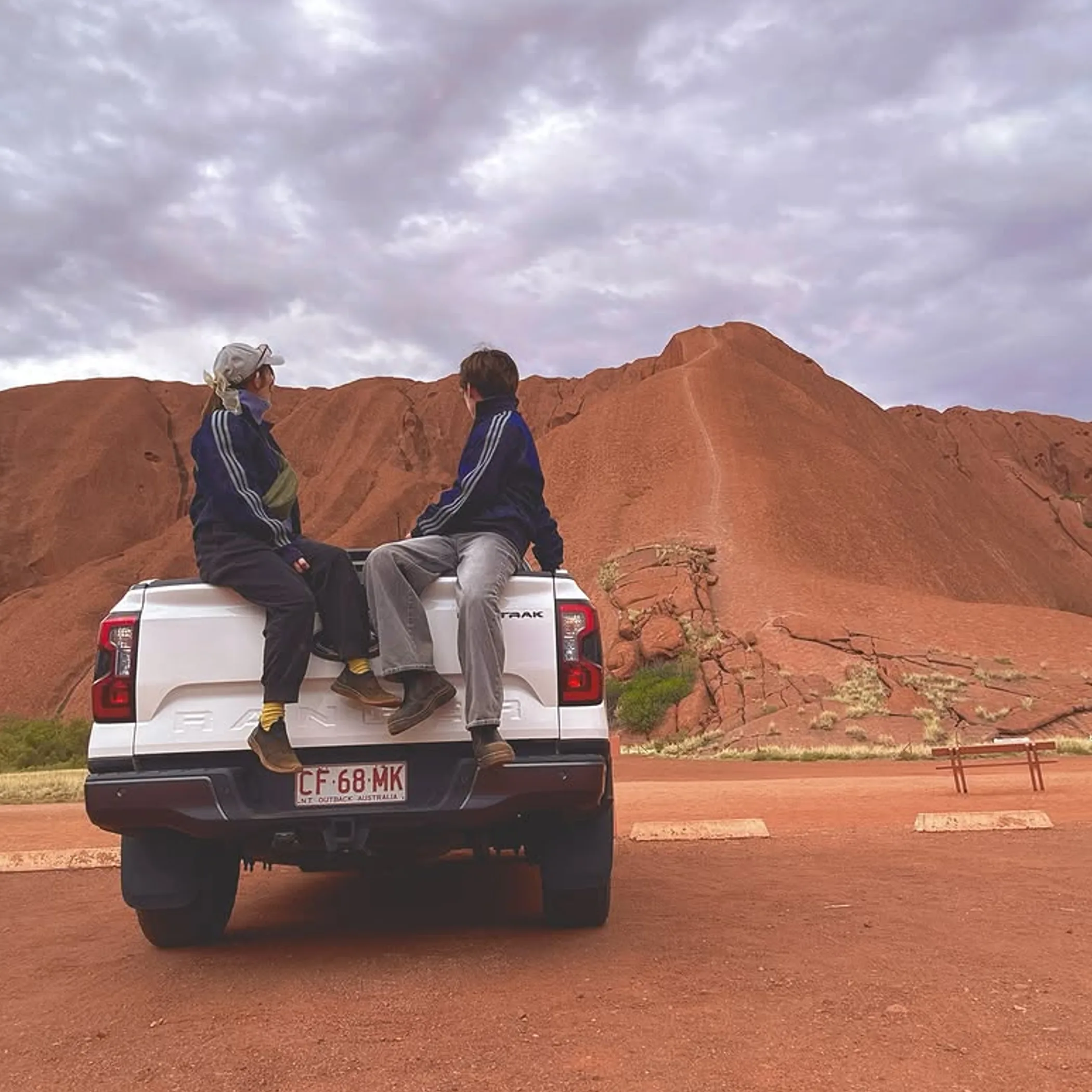
There is no call for anything fancy with your extras, they just have to cope with the dry air, the distance, the strong light and so forth.
The Ayers Rock Resort and the likes of it cater for you well enough, but get out on the park roads and the convenience vanishes. Crowe is for gear that is easy to charge and dependable, if a little dull.
Water, Power And Navigation
A power bank is a good idea for the long days that will put a dent in your battery, even if you are content to let your phone do the work of maps, tickets and photos. Should you be self-driving off the Stuart Highway or take a side trip, have some offline maps at the ready. You will not often need a paper copy of a booking these days but it is prudent to have screenshotted the important stuff in case of poor reception.
For official visitor and safety information, check Parks Australia’s Uluru-Kata Tjuta National Park information. Their advice to eschew any risky activity in extreme heat and to make sure you are drinking water is as practical and up to date as it gets; more so than relying on a weather app to tell you what to do.
Camera Reality Check
Most travellers will find one phone with its charger and perhaps a single proper camera to be sufficient. Do not be tempted to change lenses in the open, dust being what it is, and risk getting grit in your equipment. A soft cloth, zip bag and a spare battery should be in your pack if you are making the journey for the photography, along with an awareness that midday colours can be as unforgiving as they are lovely at sunrise and sunset.
Health And Safety Done Properly
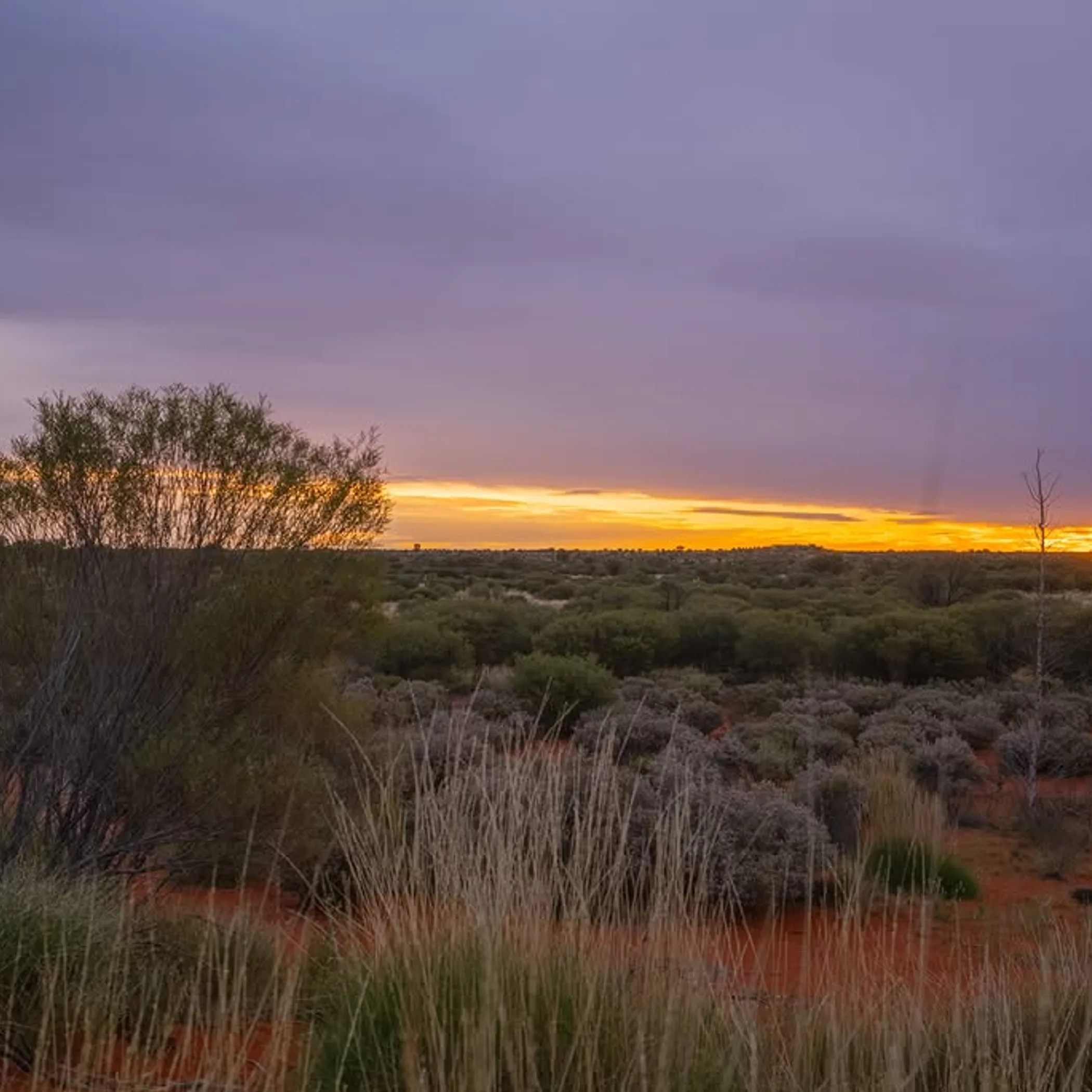
There is more to sensible packing here than mere convenience. In a city a minor issue stays that way, in the desert it has a habit of magnifying quickly. Put off blisters, headaches or heat stress at your peril. Adelaide Crowe has a straightforward rule: be prepared to see yourself through several hours without any fuss. If help is at hand fine, but if there is a delay you will be glad of the basics.
First-Aid And Heat Safety
Your daypack should hold personal meds, not just your luggage. Throw in some blister patches, pain relief, band-aids, antihistamines and something for chapped lips; the desert air is quite brutal when you are run down. For those driving themselves, put extra water in the car as well as the daypack. The roads to the main parts of the Red Centre may be easy enough but between road works, wildlife, flat tyres or simply lingering too long at a stop, delays are par for the course over such distances.
| Item | Why It Matters | Best For |
| Reusable water bottle | For the dry heat and the risk of dehydration | Everyone, every day |
| Electrolytes | To put back salts from sweating | Families, hot days and long walks |
| Wide-brimmed hat | A cap does not cover face, ears and neck like this | Tours, lookouts and walks |
| Mesh fly net | You will be thankful for it when the flies are out | Warmer months, sunrises and sunsets |
| Layers for cold mornings | Dawn starts would otherwise be miserable | Shoulder seasons and winter |
| Headlamp or torch | For dark paths, car parks and evening affairs | Field of Light and early starts |
Kids Need A Few Extras
Packing for Uluru with children in tow is not all that dissimilar to what an adult would do but there is less room for error. A hot or hungry child will put paid to a morning in no time and a café or a bench in the shade is not always on hand. Adelaide Crowe is after fewer meltdowns rather than the perfect family photo. So pack accordingly: extra water and snacks, wipes, a change of clothes, a small comfort object and plenty of sun protection to avoid having to deal with it in the car park.
Make Short Walks Easier
Let the kids have their own small backpack with a hat, water and a snack, provided it is not too heavy. A light layer is called for with younger ones on a warm day since dusk and dawn can be deceptively cold. When you have only the one day and children with you, a brief Uluru experience is to be preferred to an overambitious timetable that leaves you herded into a shuttle like sardines in a bad mood. One walk or cultural stop done right is better than trying to fit in the lot.
Seasons Change The Packing List
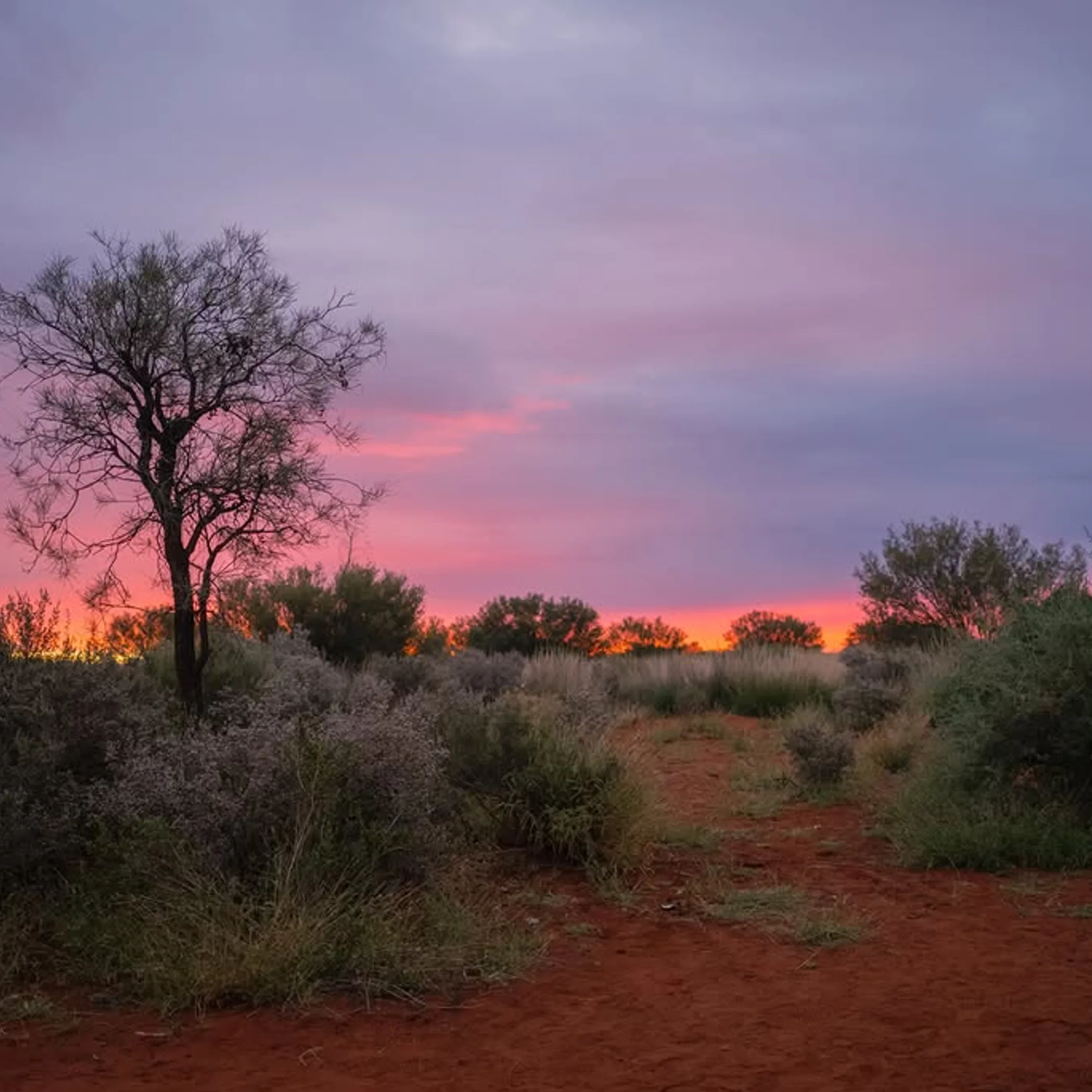
From how much water you are carrying to the number of warm layers and the hour you set off, the season will dictate your packing. To find the ideal time for Uluru is to ask when one can get on with enjoying the place and not be made to by the extremes. You will find the cooler months more amenable to long days outdoors and walking, whereas the heat requires you to be more cautious and start earlier. You can be taken aback by the desert at any time of year, so Adelaide Crowe does not pack to a headline in the forecast but for what is likely to come.
Winter in Uluru
Those making plans for an Uluru winter would do well to put aside the notion of a constant chill and consider the cold of an evening, the sun of the day and a crisp dawn. You will want layers for those mornings; a fleece or jumper with a light jacket is the difference between a pleasant sunrise and one you have to mutter through over your coffee.
Then there are the nights. It is cold in Uluru after dark and people are often caught off guard having put the place in the “desert means heat” category in their minds. The temperature in the desert has its way of swinging and if you are camping, the sort of accommodation you have will count for something.
When it is Hotter
Do not think warmer months are out of the question, they are just less forgiving. Put in some water and make for early outdoor pursuits before taking a rest in the middle of the day. This is no place to show how tough you are.
Hire car and campervan road trippers and those on an Intrepid Travel or PeterPans tour should not let the operator dictate their packing for dust and heat. Even the best run of tours will expect you to see to your own clothing and daily necessities, and inclusions are not uniform.
Logistics of Getting to Uluru
One packs better with an eye on the logistics. For the majority it is a flight to Ayers Rock Airport and a stay at the resort, or a drive up the Stuart Highway on a more extended Red Centre itinerary. Self-drivers will find parking at the main areas is no trouble, though you should be early for the good spots at sunrise or sunset. A map may make the distances seem as flat and short as a pancake but you will spend longer than expected with the heat, the wildlife and photo opportunities, and because travelling in the desert is a slower proposition than in the city.
Costs and the like
In the vicinity of the resorts you will pay more for your food and drink than in a big city, so come with what you know you need: electrolytes, medications, a fly net, sunscreen and your snacks of choice. You can put them on your tab on site but it is not always economical.
A day at Uluru is best spent on Uluru, not running from one major stop to another. With three days you can keep your list at Ayers Rock compact enough for laundry and repeat-wear, assuming your clothes are practical and a little dust is of no consequence. Rebecca and the World and others are fond of pointing out that planning is what separates a frazzled outing from a smooth one in the Red Centre.
a daypack, sun gear, warm layer, a pair of walking shoes to stand up to use and plenty of water.
two or three outfits, an evening layer, spare socks, toiletries, first-aid, charging equipment and a backup pair of sandals or shoes.
take more water and extra of everything from snacks to comfort items and wipes.
Adelaide’s final word
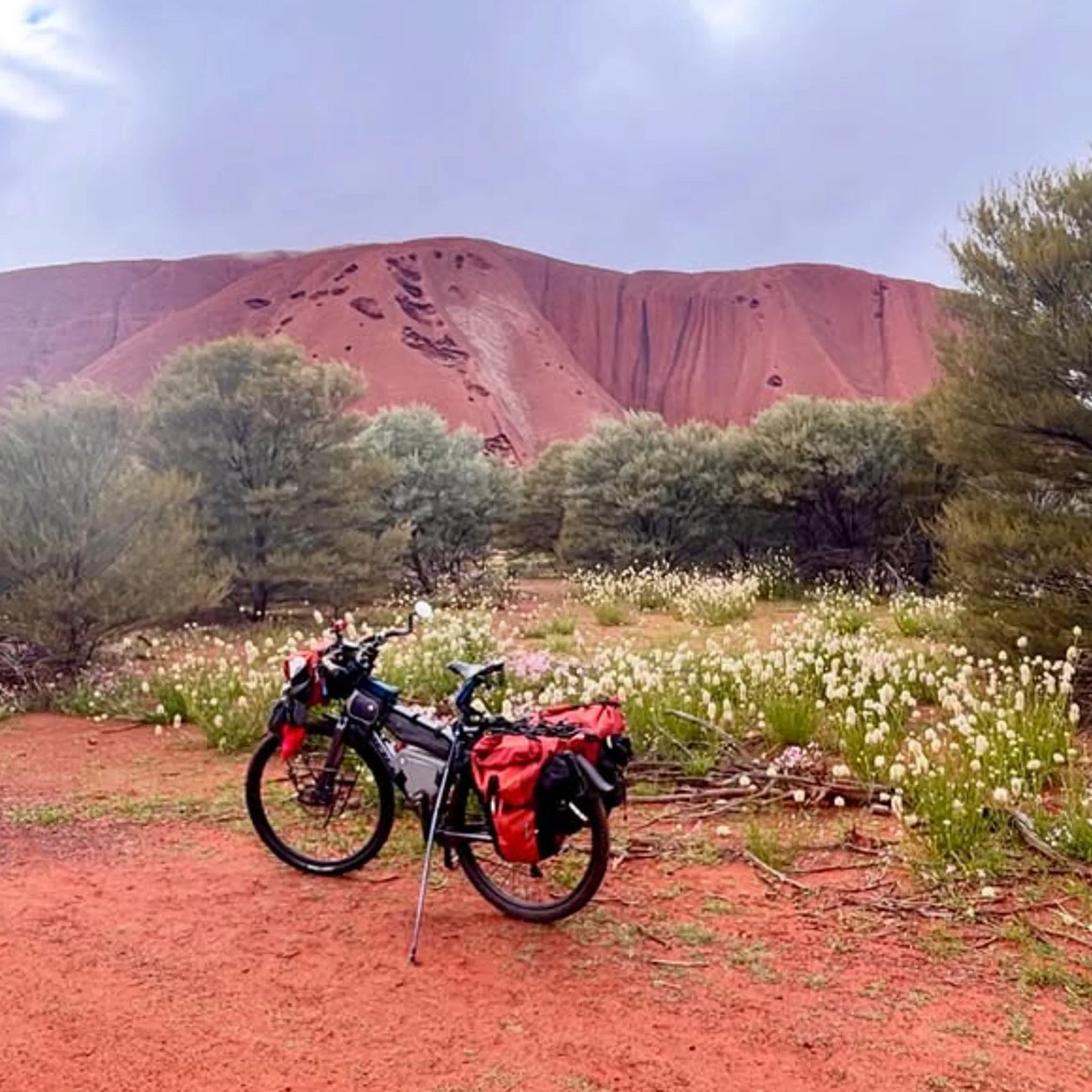
An honest packing list for Uluru is not a long one. Allow for the strong sun, dry heat, cool dawns and dusty tracks and the likelihood that a hat and some socks and water will be of more import than most of what is in your bag.
Make sure you have sturdy shoes, a reusable bottle, sun protection and the odd practical extra to avoid a hot, dusty reminder of poor planning. What you pack for the desert should enable you to get on with it, hydrated and without fuss.
FAQ
What to pack for 3 days in Uluru?
Practical gear is called for, not a large suitcase. Two to three lightweight ensembles, a torch, SPF 50+ and electrolytes, your medications and toiletries. One warm layer will do for night and dawn, along with your hat, socks and a pair of walking shoes.
The 3-5-7 rule?
It is a framework rather than an official rule of travel. Three tops, five pairs of underthings and seven or so mix-and-match essentials. In Uluru you would adapt it for the dust and the way the temperature changes and what you can wear again.
For a woman in the desert
For walking about one needs lightweight long pants or shorts, something breathable for the top and a long-sleeved shirt to put between you and the sun. A sports bra or other underlayers of a comfortable sort will do. Then there are the essentials: a wide-brimmed hat and good walking shoes. Put in a jacket or fleece for the evening and any early starts. There is no point in trying to dress up the desert, so have at your disposal what provides comfort and protection from the elements.
Is it cold in Uluru after dark?
You would be surprised how cold it can be at night and at first light, in winter more than not. Hence a sensible packing list for Uluru will have room for an evening layer and whatever is needed to see off a chilly morning.
What of a fly net at Uluru?
It is not a must, though most will be thankful for having made room for one. When the weather is warm and the flies are at their most unrelenting at sunrise or sunset a mesh net comes in handy. It is hardly any weight and in a matter of seconds puts right one’s mood.
